
Explore deeper — System Explorers

.klev-int{max-width:1040px;margin:auto;padding:64px 18px 86px;color:#F3EBDD} .klev-int .ey{font:900 11px Arial,sans-serif;letter-spacing:.16em;color:#C79A45} .klev-int h1{font-family:Georgia,serif;font-size:clamp(46px,8vw,80px);line-height:.98;margin:12px 0 18px} .klev-int .lead{font:19px/1.65 Arial,sans-serif;max-width:850px;color:#D5CDBD} .klev-int .quest{margin:28px 0;padding:20px 22px;border-left:4px solid #C79A45;background:#101710;border-radius:16px;font:17px/1.6 Arial,sans-serif} .klev-int .worlds{display:grid;grid-template-columns:repeat(2,minmax(0,1fr));gap:12px;margin:28px 0} .klev-int .worlds a{display:block;padding:18px 20px;border-radius:18px;background:#101710;border:1px solid rgba(199,154,69,.28);text-decoration:none;color:#F3EBDD!important;font-weight:800} .klev-int .worlds a:after{content:” →”;color:#C79A45} .klev-int .method{display:grid;grid-template-columns:repeat(3,minmax(0,1fr));gap:12px;margin:34px 0} .klev-int .method>div{padding:18px;border-radius:18px;background:linear-gradient(145deg,#102116,#07100b);border:1px solid rgba(199,154,69,.24)} .klev-int .method b{display:block;color:#E3C980;margin-bottom:7px} .klev-int .method span{font:15px/1.55 Arial,sans-serif;color:#CDC5B6} @media(max-width:700px){.klev-int .worlds,.klev-int .method{grid-template-columns:1fr}}
Explore deeper • SYSTEM EXPLORERS

FIND THE CONNECTIONS 🔬

Here you stop looking at organisms one by one and start asking how the whole system works. Every change has a cause — and often more than one effect.

What happens to the rest of the ecosystem when light, humidity, flow, food or one population changes?
OBSERVERecord what actually changes.
CONNECTFind which parts of the system influence each other.
EXPLAINBuild a hypothesis and look for evidence.

Images from the world of KA’AETÉ

Seeing comes before understanding. These images connect plants, micro-life, water and animals into one living system.
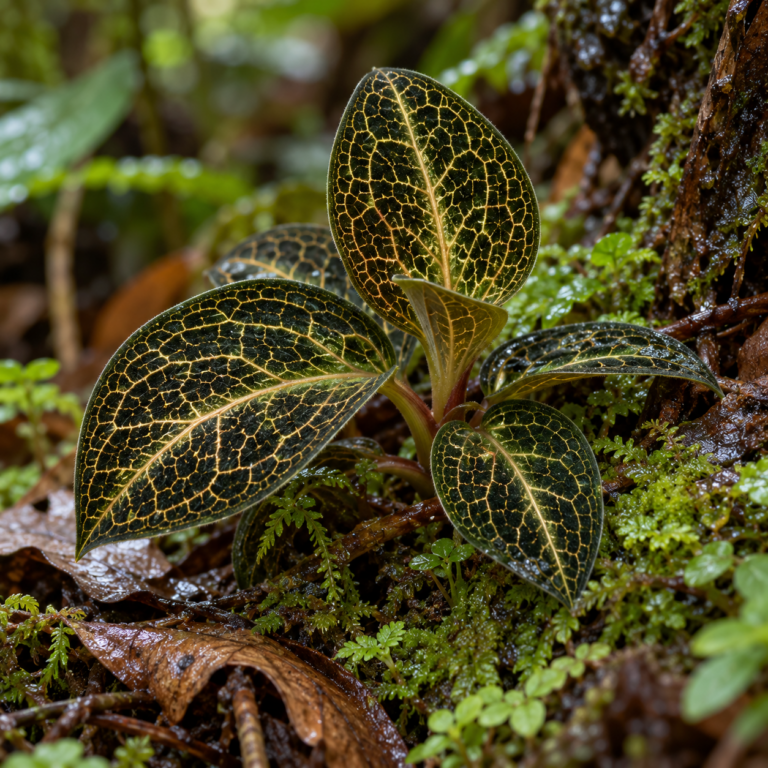
Macodes petola met donkere fluweelachtige bladeren en opvallende goudkleurige nerven op een vochtige bosbodem.
Macodes petola — juweelorchideeMacodes petola met donkere fluweelachtige bladeren en opvallende goudkleurige nerven op een vochtige bosbodem.
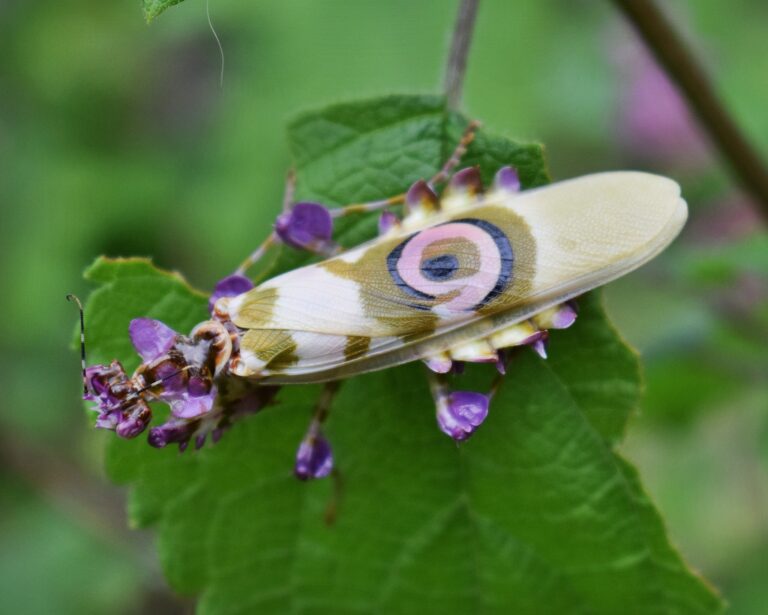
Pseudocreobotra wahlbergii; exacte soortfoto van een spiny flower mantis. Bron Wikimedia Commons, CC BY 4.0
Pseudocreobotra wahlbergii — exacte soortfotoPseudocreobotra wahlbergii; exacte soortfoto van een spiny flower mantis. Bron Wikimedia Commons, CC BY 4.0
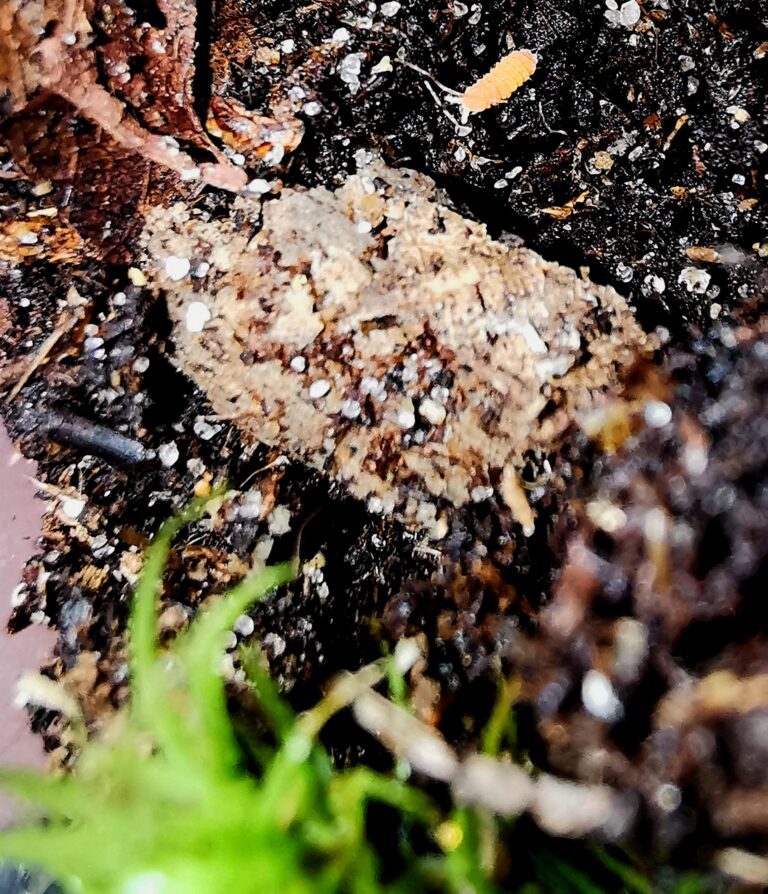
Yuukianura aphoruroides; exacte soortfoto van een springstaart. Foto FRWByMath via Wikimedia Commons, CC BY-SA 4.0
Yuukianura aphoruroides — exacte soortfotoYuukianura aphoruroides; exacte soortfoto van een springstaart. Foto FRWByMath via Wikimedia Commons, CC BY-SA 4.0
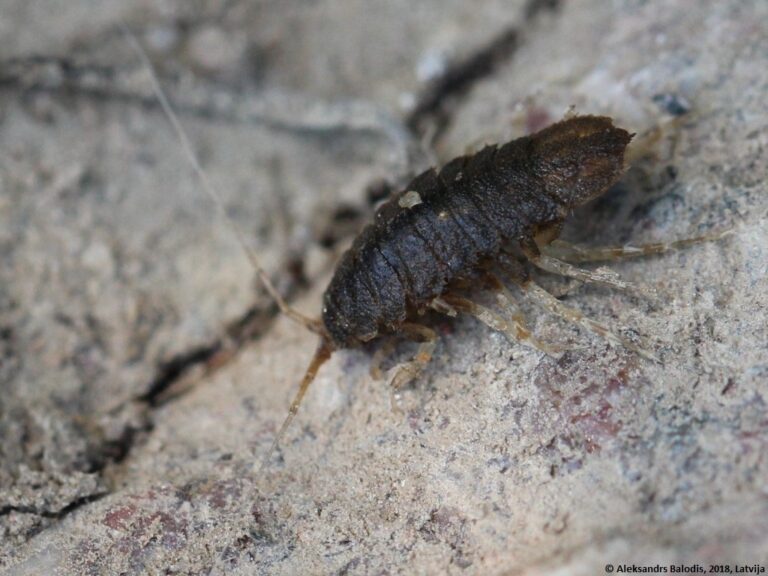
Asellus aquaticus; exacte soortfoto van de waterpissebed. Foto AfroBrazilian via Wikimedia Commons, CC BY-SA 4.0
Asellus aquaticus — exacte soortfotoAsellus aquaticus; exacte soortfoto van de waterpissebed. Foto AfroBrazilian via Wikimedia Commons, CC BY-SA 4.0
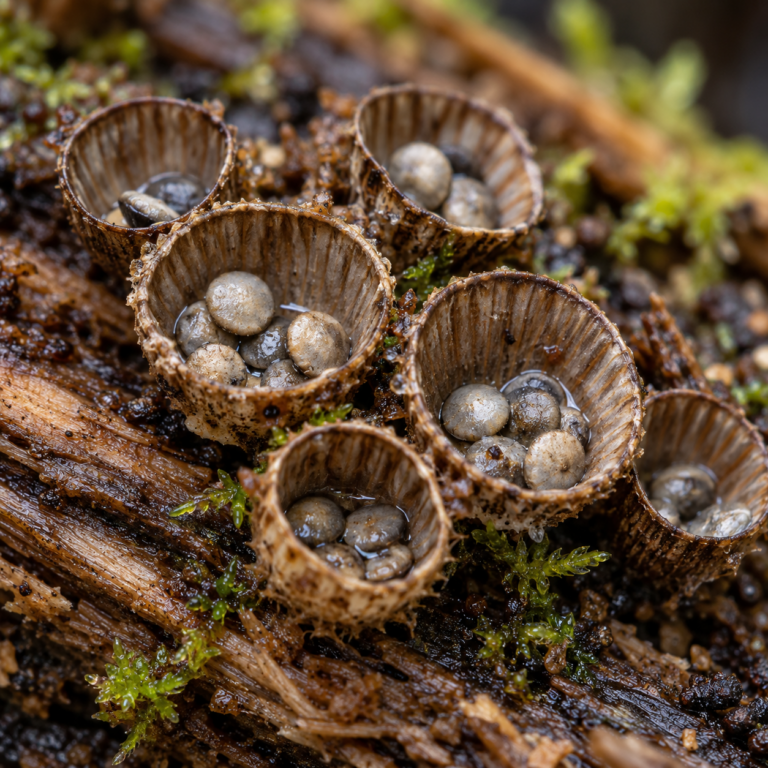
Kleine nestzwammen op rottend hout met ronde peridiolen die op eitjes in een vogelnest lijken.
Cyathus striatus — gestreept nestzwammetjeKleine nestzwammen op rottend hout met ronde peridiolen die op eitjes in een vogelnest lijken.
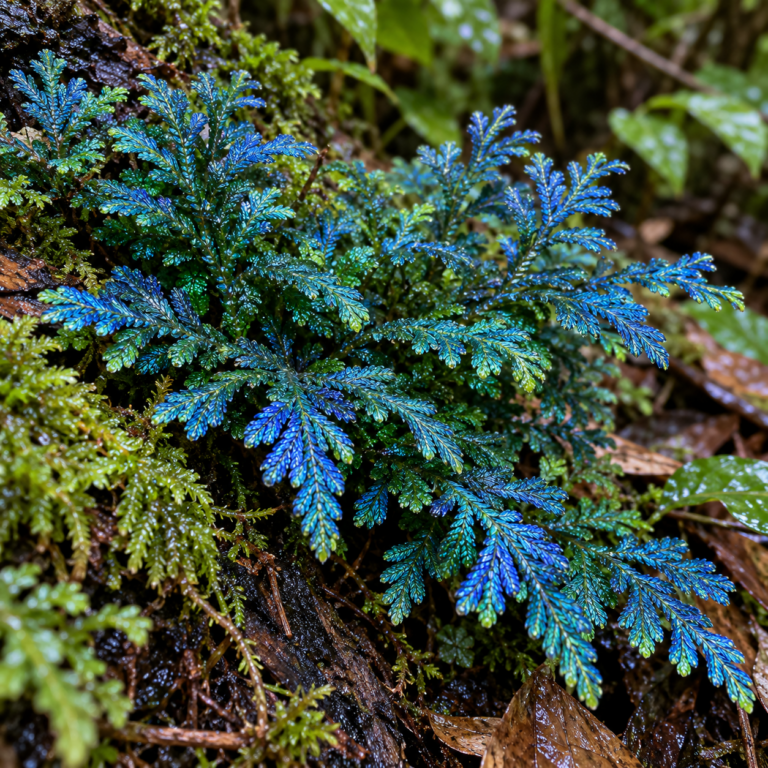
Illustratie van Selaginella uncinata met iriserend blauwgroen blad in een vochtige bosomgeving.
Selaginella uncinata — Peacock spikemossIllustratie van Selaginella uncinata met iriserend blauwgroen blad in een vochtige bosomgeving.