Arthropods, insects & camouflage
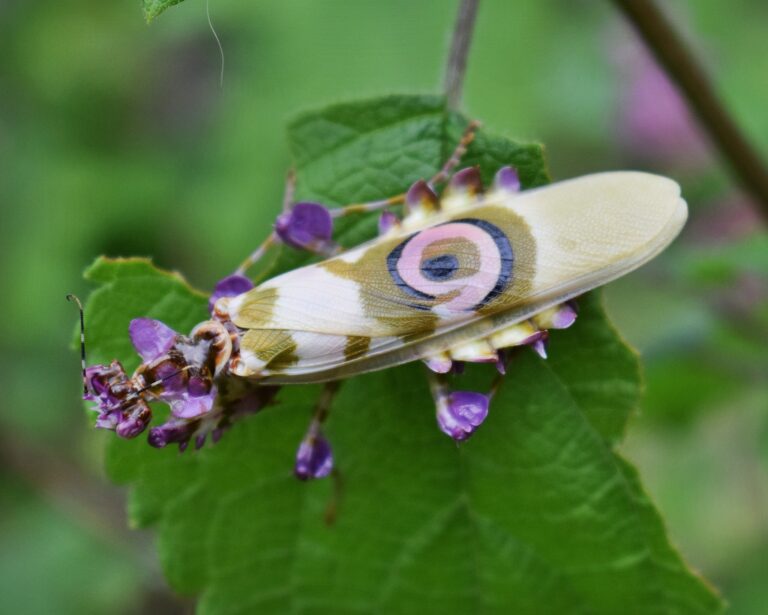
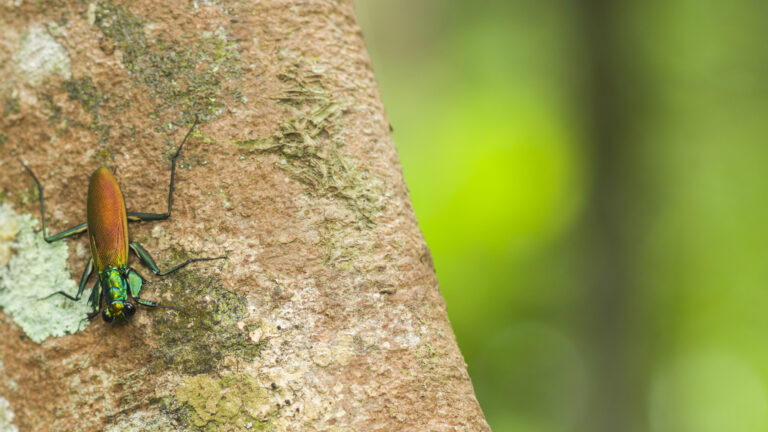
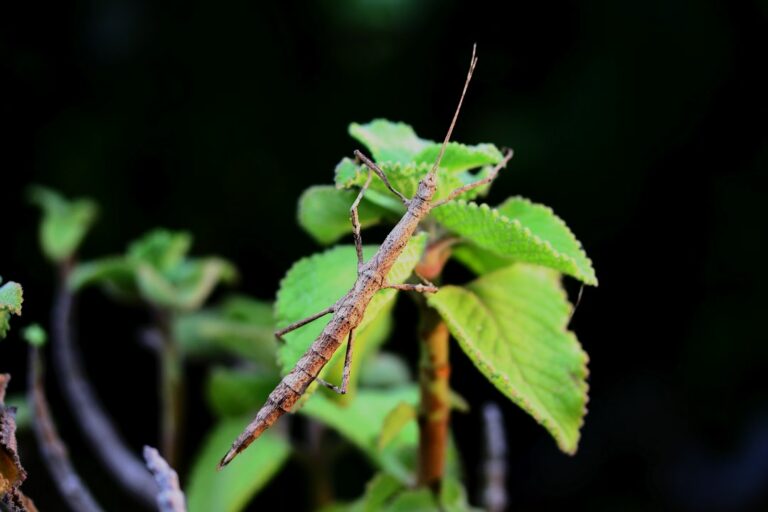
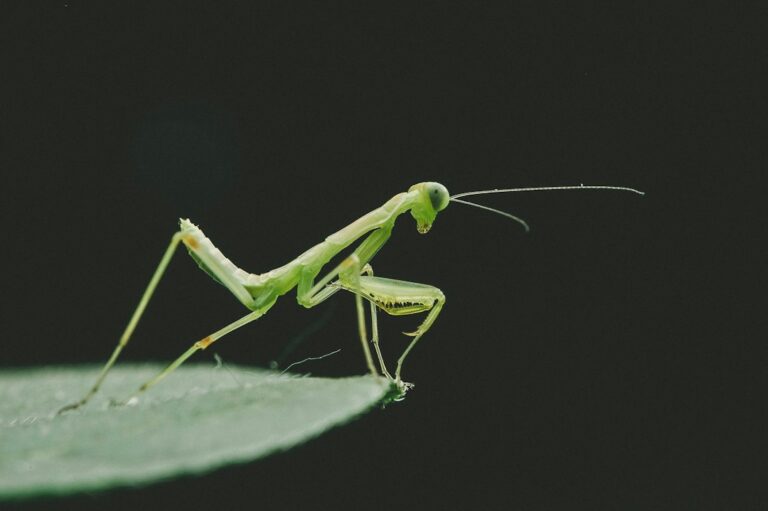
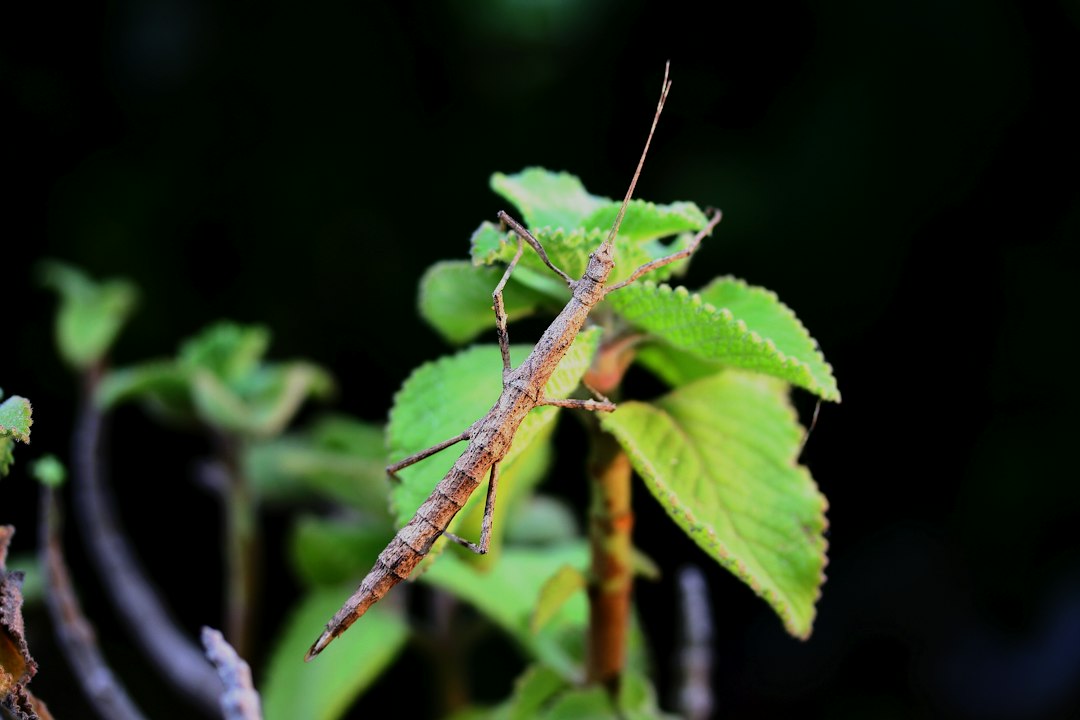
A leaf that hunts. A branch that walks. In KA’AETÉ, camouflage is not decoration — it is survival.
Camouflage changes the odds
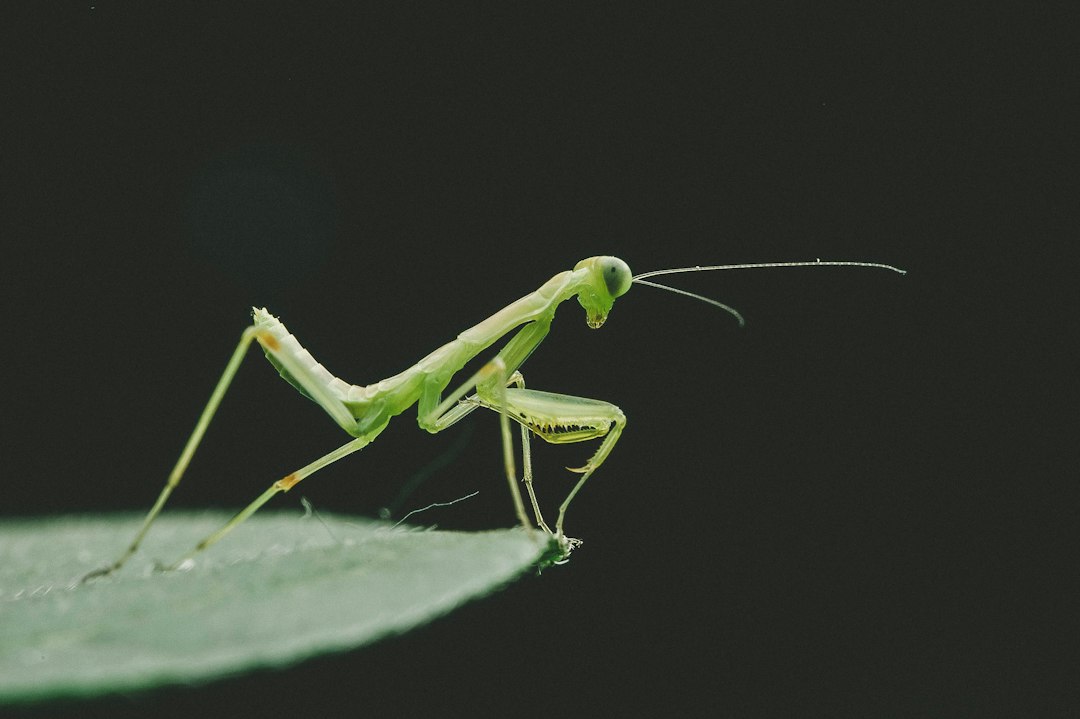
Colour, outline and texture can reduce the chance of being detected. For prey that can mean escape; for a predator it can mean getting close before the hunt begins.
Structure matters
Leaves, bark, branches and gaps are not background scenery. They create routes, hunting positions, hiding places and microclimates for small animals.
Not every arthropod is an insect
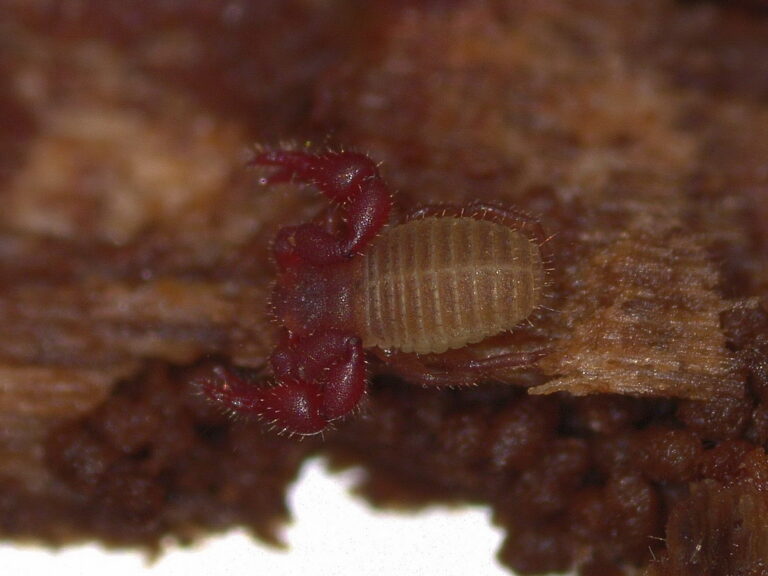
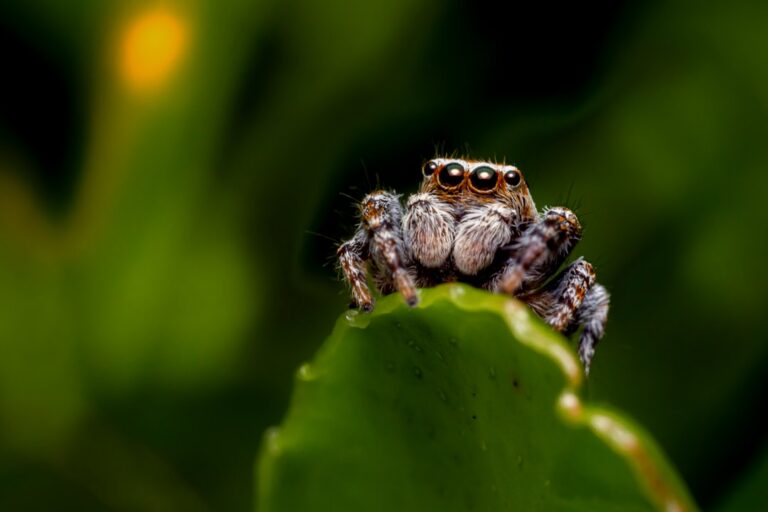
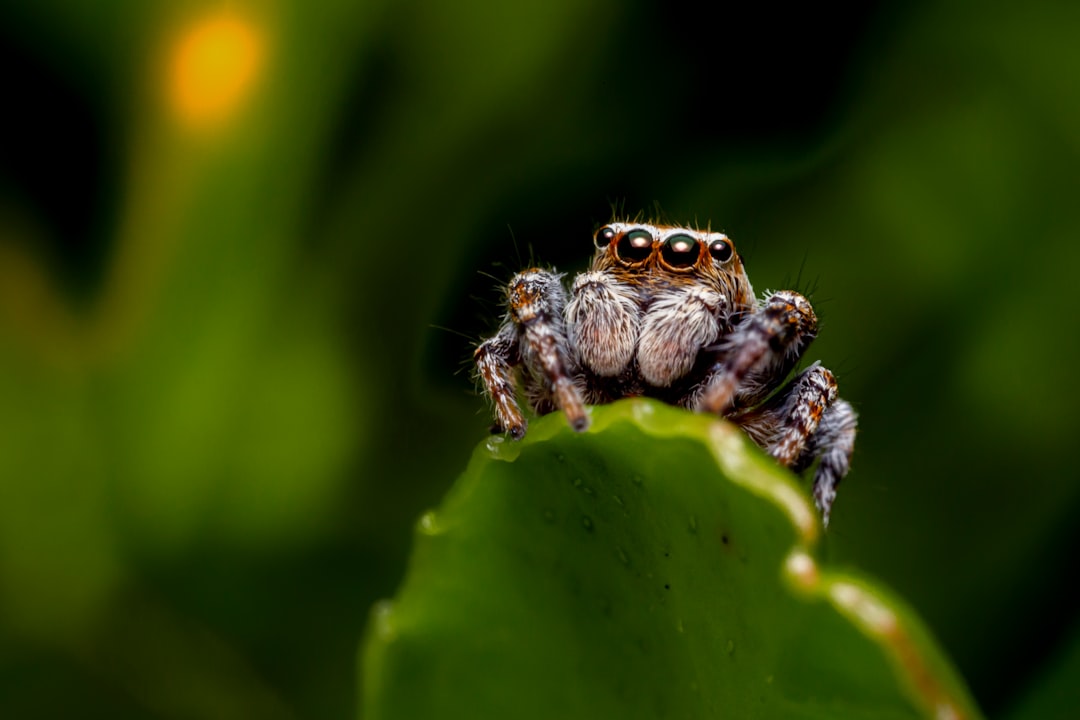
Insects have six legs and three main body regions. Spiders, isopods and many other arthropods follow different body plans — one reason this group is so diverse.
Predators come later
In KA’AETÉ, hunters only make sense after prey populations, hiding places and stable climate zones exist. A food web is built from the bottom up.
Try to spot the boundary between an animal and its background. If your eye loses the outline, the camouflage is doing exactly what it evolved to do.
Look closer: three ways to explore
Count legs, find antennae and play spot-the-animal. Learn why a spider is not an insect.
Compare crypsis, masquerade, moulting and predator–prey interactions. Ask what changes when the background changes.
Explore sensory ecology, trade-offs, selection pressure and how behaviour can amplify or defeat morphology.
Hunters, camouflage & arthropods
From mantises and pseudoscorpions to jumping spiders.