Understand the system • DEEP DIVERS
READ THE ECOSYSTEM 🧠🌿
The adult layer is about processes rather than spectacle: water chemistry, microclimate, competition, decomposition, behaviour, population dynamics and when not to interfere.
Is what you see normal succession, a temporary imbalance or a real stability problem — and what evidence separates those possibilities?
MEASUREMake changes visible and comparable.
INTERPRETPlace them in ecological and technical context.
DECIDEIntervene only when the system actually requires it.
Explore each system
🐜 Arthropods • population & behaviour🌱 Plants • growth & stress signals🔬 Micro-life • bacteria & biofilm🍄 Fungi • welcome or intervene?🕷️ Inhabitants • behaviour & balance🍂 Isopods • decomposition & population🐟 Water world • oxygen & cycles🍃 Camouflage • evolution & selection
From observation to system understanding
1 · MEASUREMake signals and changes demonstrable.
2 · INTERPRETPlace them in ecological and technical context.
3 · DECIDEDo not intervene unless the system truly requires it.
KA’AETÉ PROTOCOL
Observe → document → investigate the cause → assess the effect on the system → only then act.
← Choose another levelObserve → document → investigate the cause → assess the effect on the system → only then act.
Images from the world of KA’AETÉ
Seeing comes before understanding. These images connect plants, micro-life, water and animals into one living system.
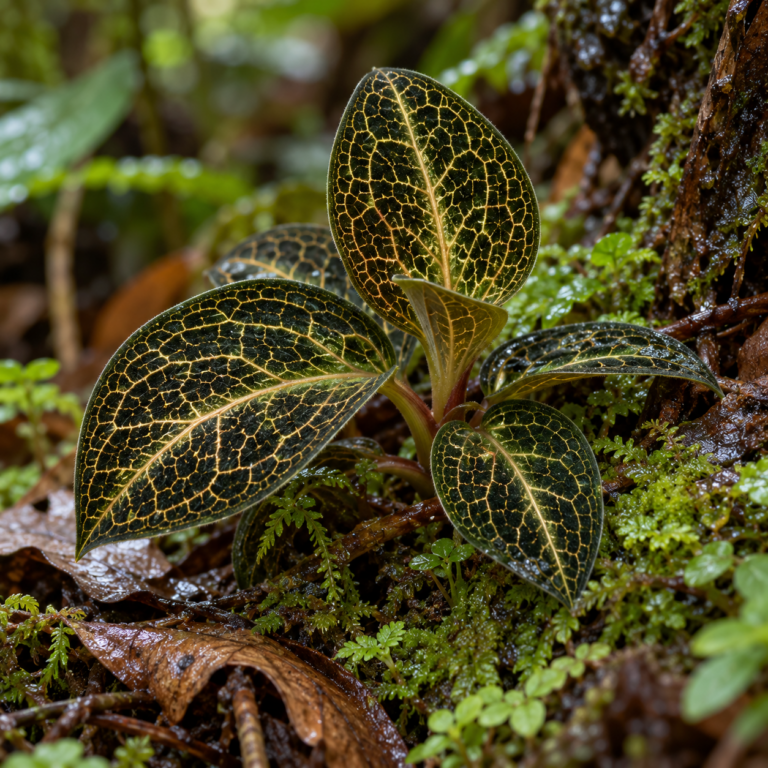
Macodes petola — juweelorchideeMacodes petola met donkere fluweelachtige bladeren en opvallende goudkleurige nerven op een vochtige bosbodem.
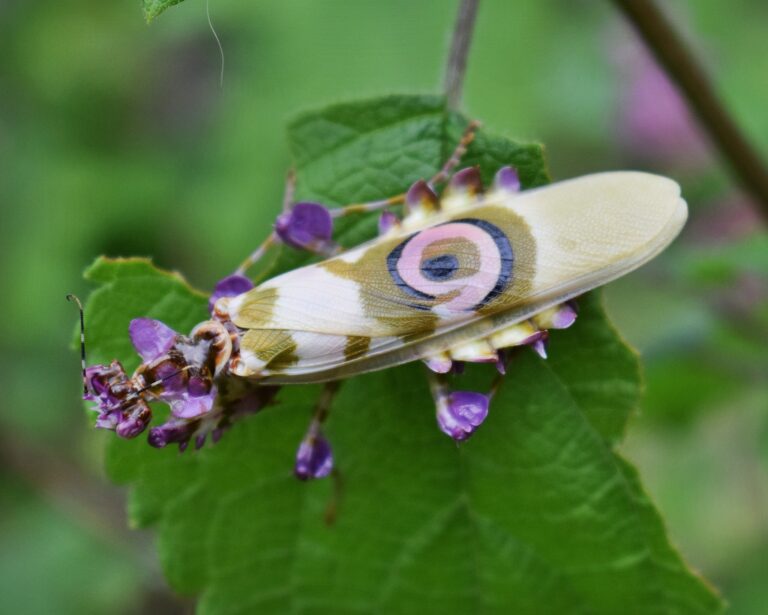
Pseudocreobotra wahlbergii — exacte soortfotoPseudocreobotra wahlbergii; exacte soortfoto van een spiny flower mantis. Bron Wikimedia Commons, CC BY 4.0
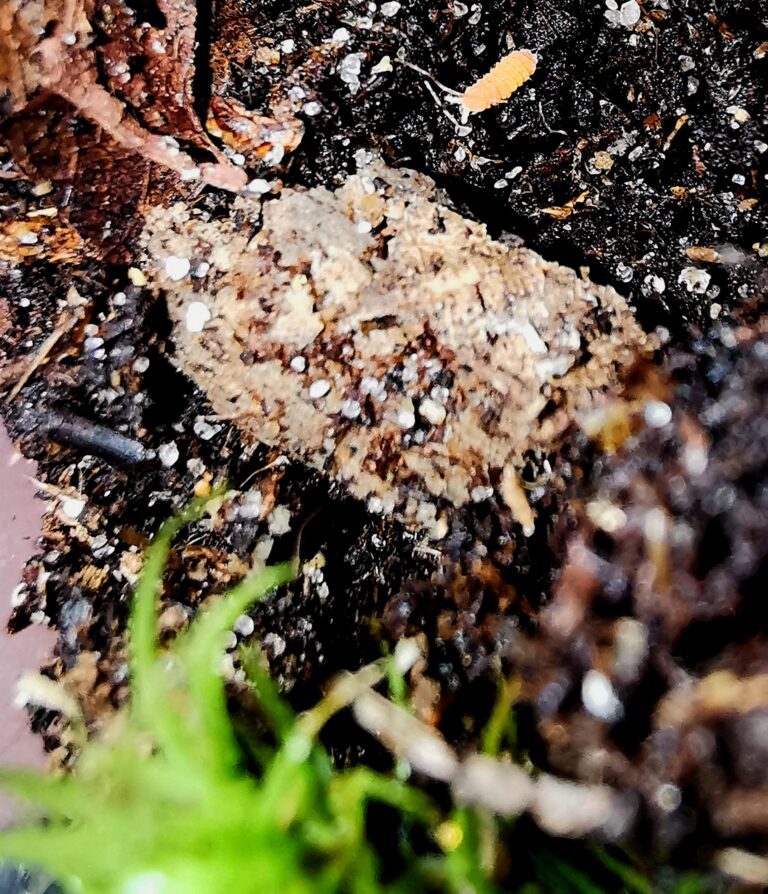
Yuukianura aphoruroides — exacte soortfotoYuukianura aphoruroides; exacte soortfoto van een springstaart. Foto FRWByMath via Wikimedia Commons, CC BY-SA 4.0
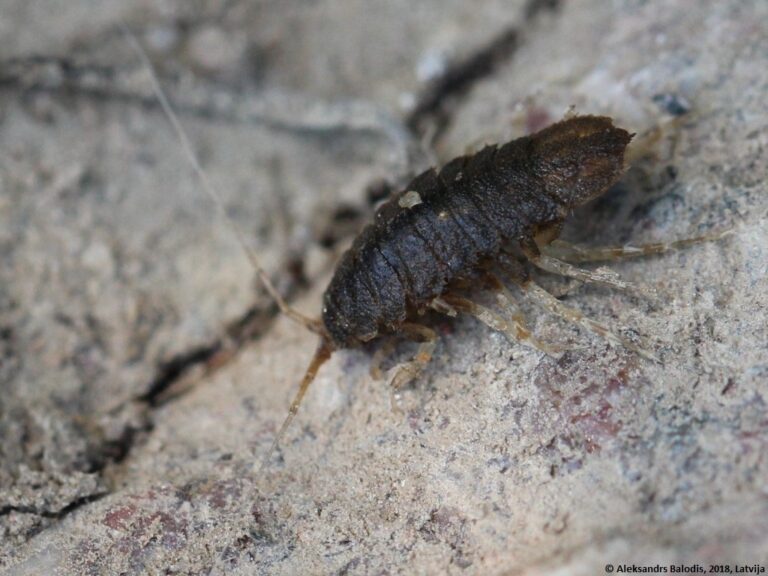
Asellus aquaticus — exacte soortfotoAsellus aquaticus; exacte soortfoto van de waterpissebed. Foto AfroBrazilian via Wikimedia Commons, CC BY-SA 4.0
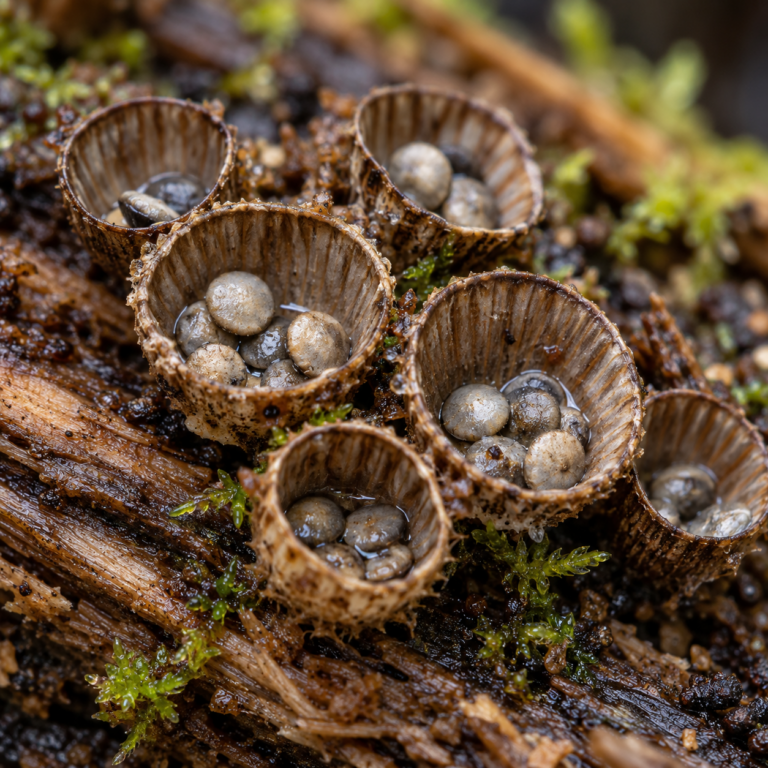
Cyathus striatus — gestreept nestzwammetjeKleine nestzwammen op rottend hout met ronde peridiolen die op eitjes in een vogelnest lijken.
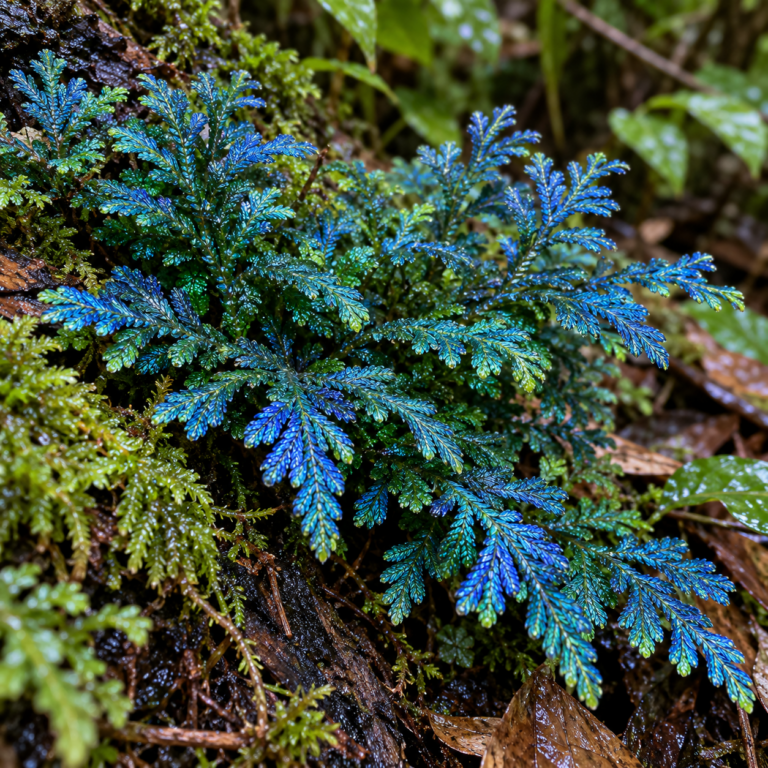
Selaginella uncinata — Peacock spikemossIllustratie van Selaginella uncinata met iriserend blauwgroen blad in een vochtige bosomgeving.