Tropical Plants in a Paludarium — KA’AETÉ

ENGLISH • THE GREEN ENGINE

Tropical plants: building a living forest

Plants are not scenery in KA’AETÉ. They create structure, shade, humidity, hiding places and countless tiny habitats. The forest changes as they grow.

More than green decoration

In a tropical paludarium or vivarium, leaves intercept light and water, roots occupy wet and dry zones, and climbing or epiphytic plants turn bare structure into living habitat.

🌱 KA’AETÉ principle
We build the framework. The plants compete, adapt, grow and reshape it. That is why the finished forest cannot be completely designed in advance.

One cabinet. A thousand worlds.

From the wet forest floor to bark, branches and the brighter upper zone, each microclimate can support a different plant community — and every plant changes the habitat available to microfauna and other inhabitants.

Plants also build the climate

Every new leaf changes more than the view. It intercepts light, slows airflow, evaporates water and creates shade. As the canopy develops, KA’AETÉ’s microclimates develop with it.
Tropical plant structure
Leaves turn light and water into structure, shade and habitat.
Layered tropical vegetation
Different layers create different light and moisture conditions.
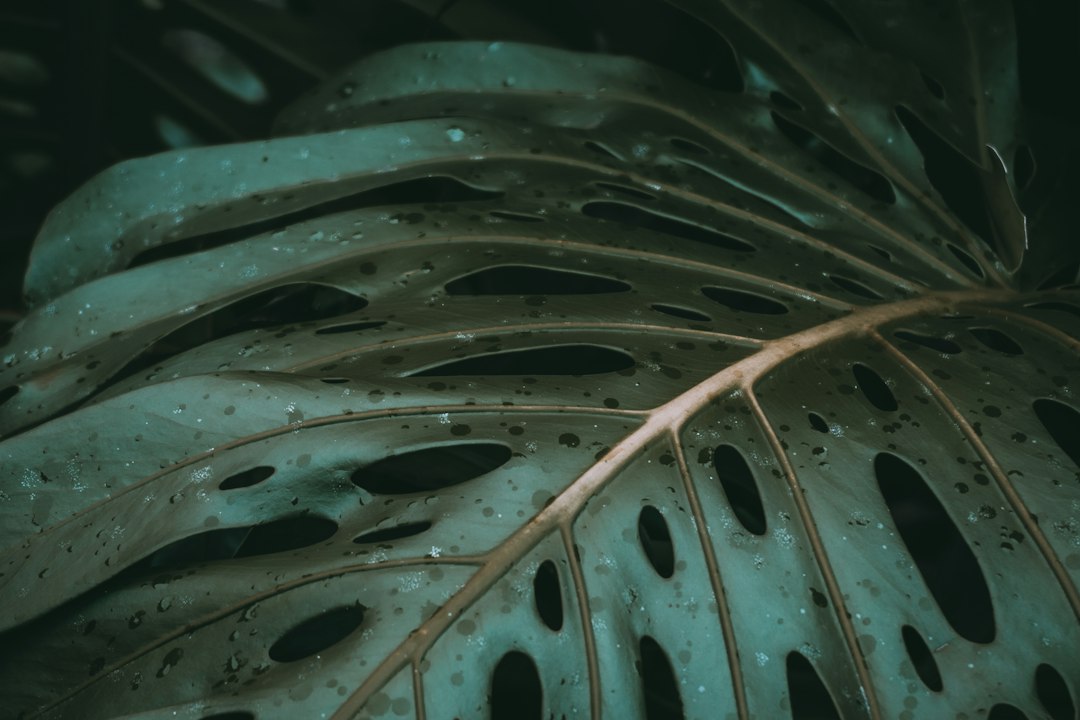
Dense tropical leaves in KA’AETÉ
A mature plant can reshape the habitat around it.
LightUpper leaves intercept radiation and determine what reaches lower layers.
WaterRoots, leaf surfaces and transpiration connect the substrate to the air.
StructureStems and leaves create routes, hiding places and surfaces for micro-life.

← Back to KA’AETÉ English

From leaf to microclimate

Green leaf with water droplets
A leaf is a boundary between internal water and the surrounding air.
Roots in tropical soil
Roots, oxygen, water and microbes create another micro-world below the surface.
Educational illustration of tropical plants
Height and position change light, humidity and airflow around each leaf.
Discover • YOUNG EXPLORERS

Follow a drop of water from root to leaf and compare leaves in sun and shade.

Explore deeper • SYSTEM EXPLORERS

Connect stomata, photosynthesis, transpiration, leaf temperature and airflow.

Understand the system • DEEP DIVE

Explore boundary layers, VPD, xylem transport, resource limitation and plant–microbe interactions.

More plants for KA’AETÉ

From groundcovers and jewel orchids to epiphytes. Scientific names stay the same in every language.
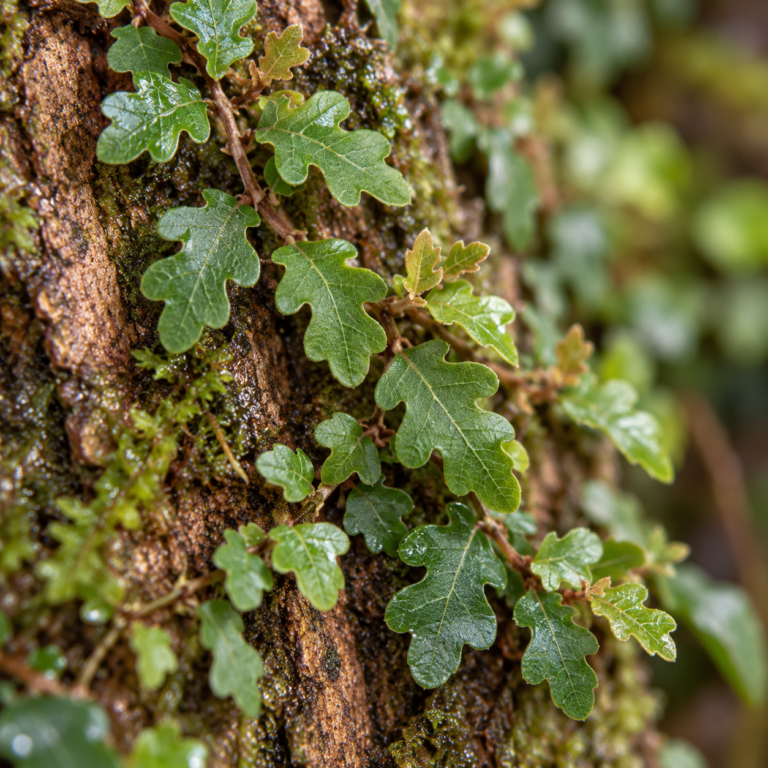
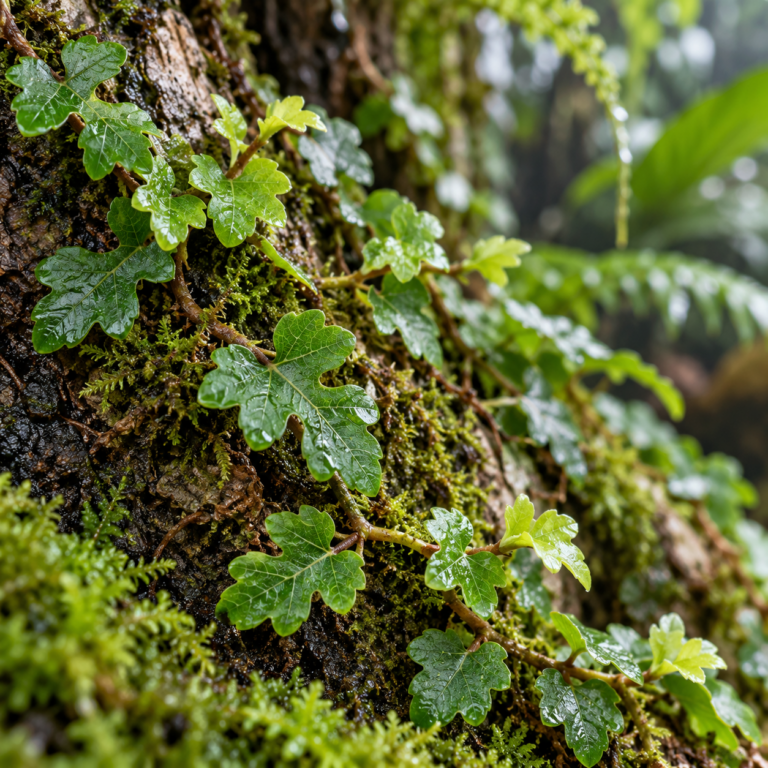
Ficus pumila ‘Quercifolia’ met kleine eikenbladachtige bladeren op vochtige boomschors.
Ficus pumila ‘Quercifolia’
AI illustration
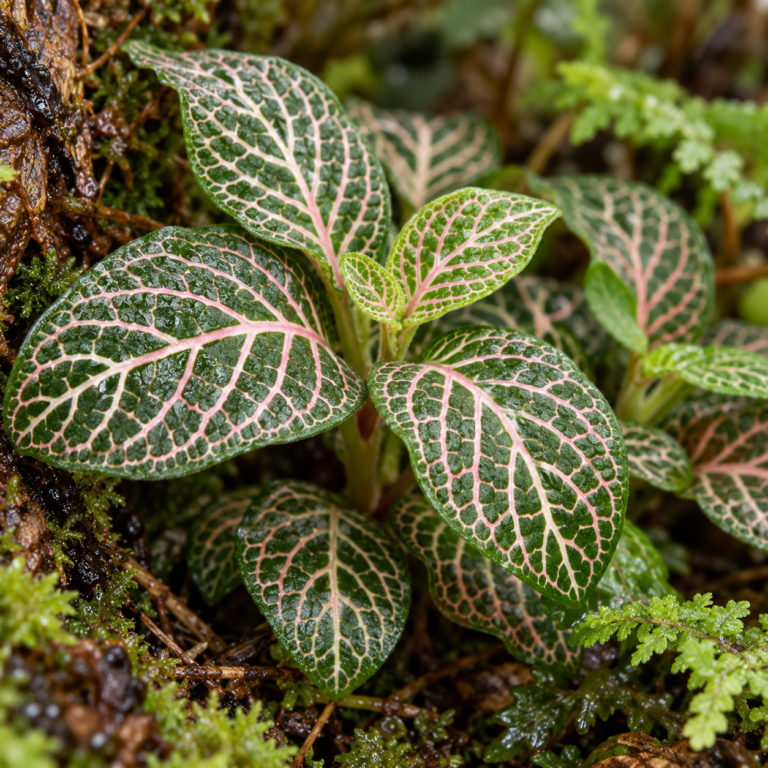
Fittonia-achtige mozaïekplant met opvallend roze nerven in een vochtige tropische omgeving.
Fittonia cf. albivenis
AI illustration
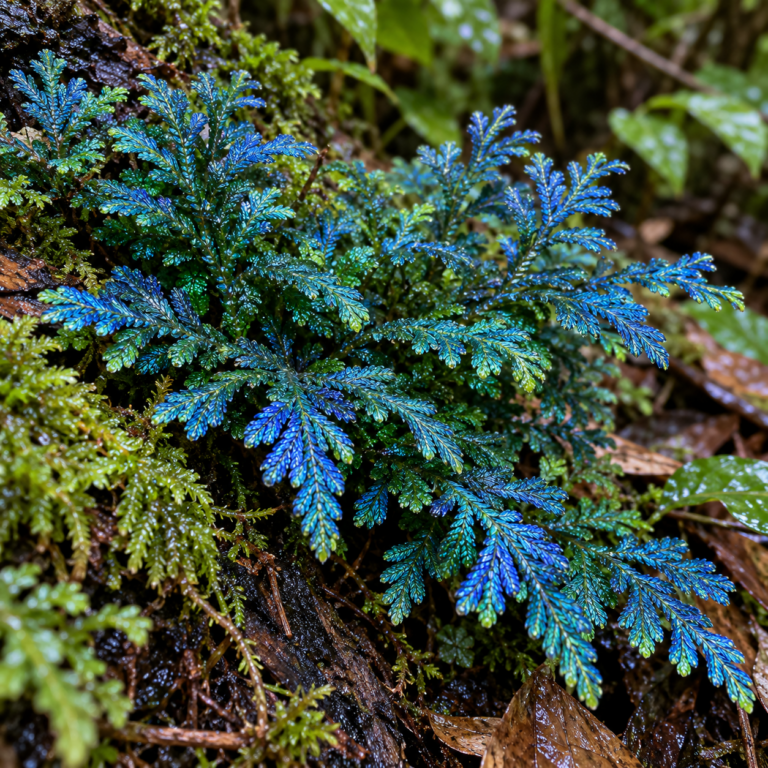
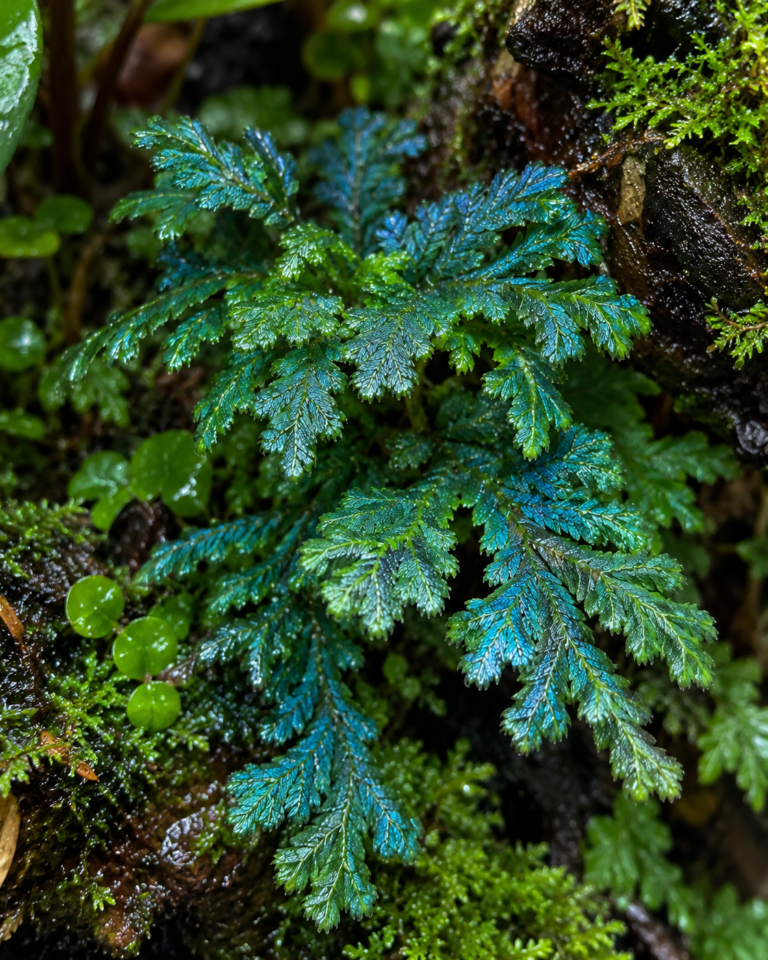
Illustratie van Selaginella uncinata met iriserend blauwgroen blad in een vochtige bosomgeving.
Selaginella uncinata
AI illustration
Miniatuurklimvijg met kleine eikenbladachtige bladeren groeiend over vochtige, bemoste boomschors.
Ficus pumila ‘Quercifolia’
AI illustration
Macodes petola met donkere fluweelachtige bladeren en opvallende goudkleurige nerven op een vochtige bosbodem.
Macodes petola
AI illustration
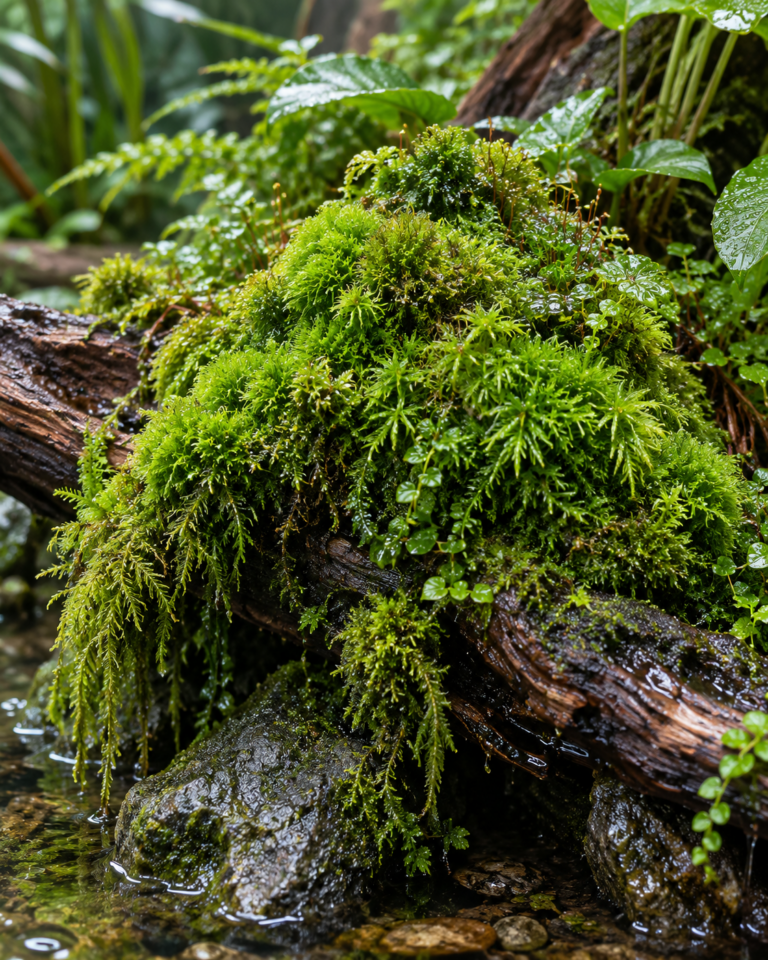
Dichte groene mosbegroeiing op een vochtige tropische bosbodem; exacte soort niet vastgesteld.
Bryophyta
AI illustration
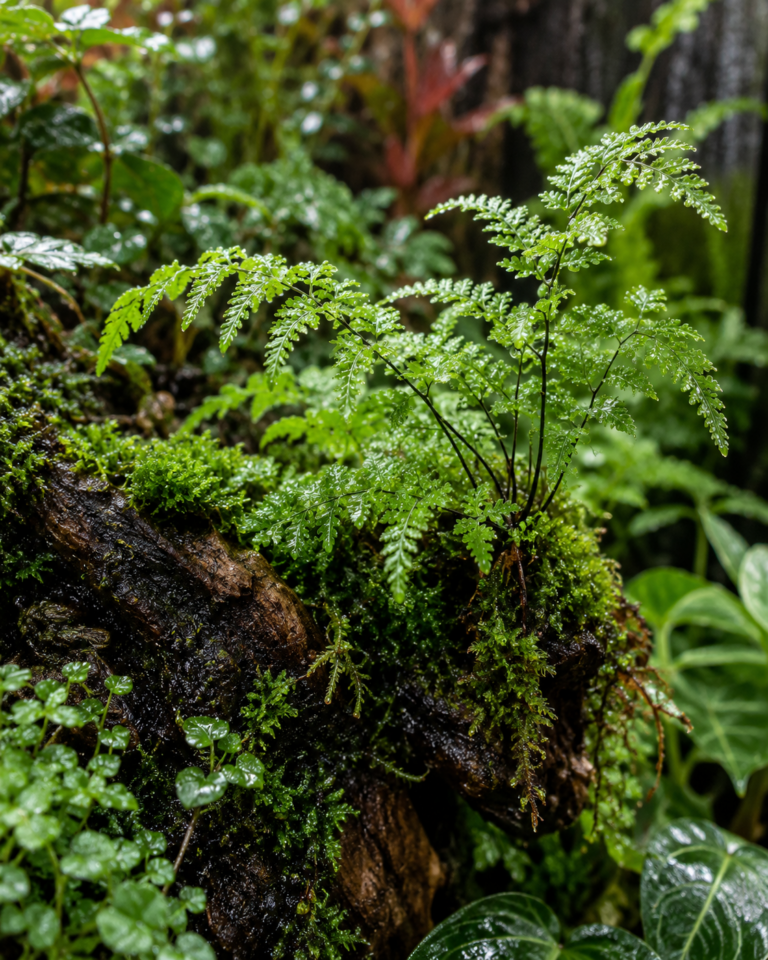
Tropische varen in een vochtige bosomgeving; exacte soort niet vastgesteld.
Tropische varen
AI illustration
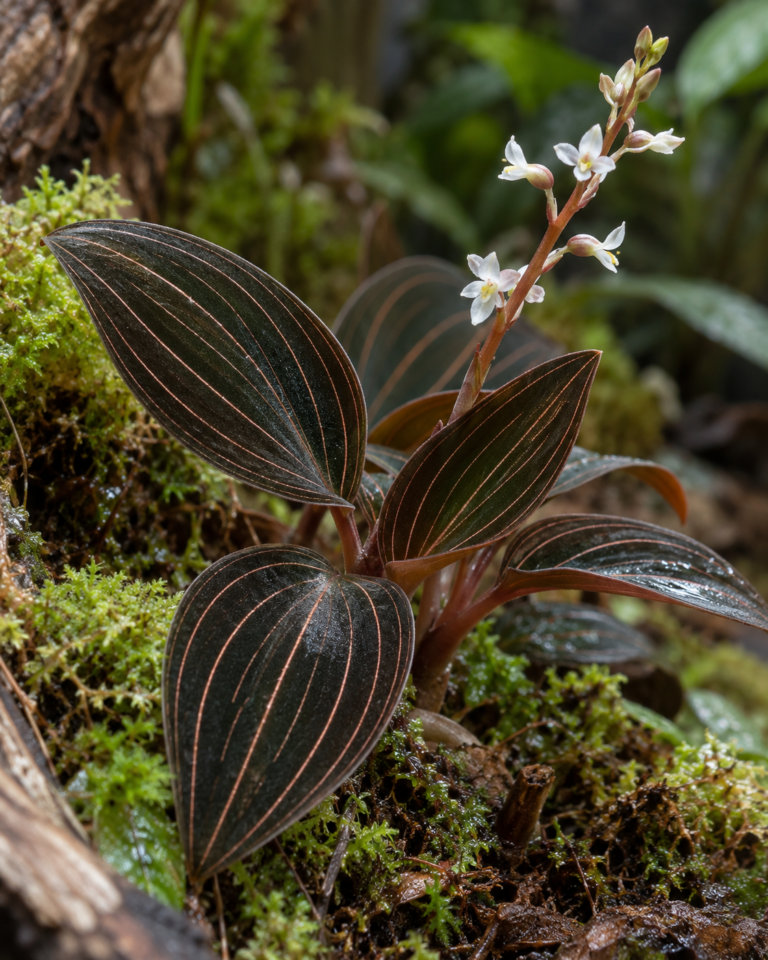
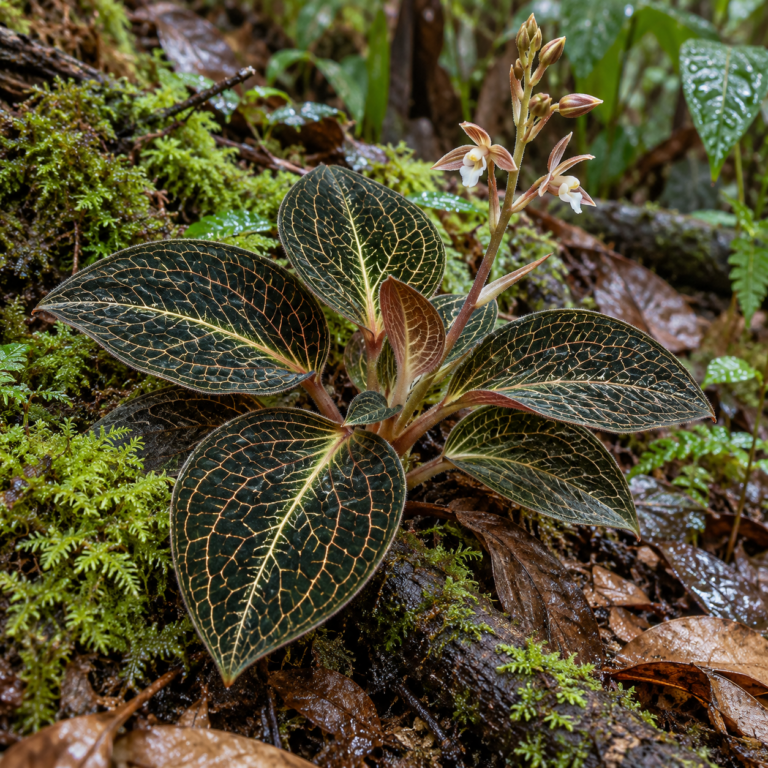
Donkerbladige juweelorchidee met lichte nerven op een vochtige bosbodem; exacte soort niet vastgesteld.
Juweelorchidee
AI illustration
Blauwgroene Selaginella-achtige bodembedekker in een vochtige tropische omgeving.
Selaginella cf. uncinata
AI illustration
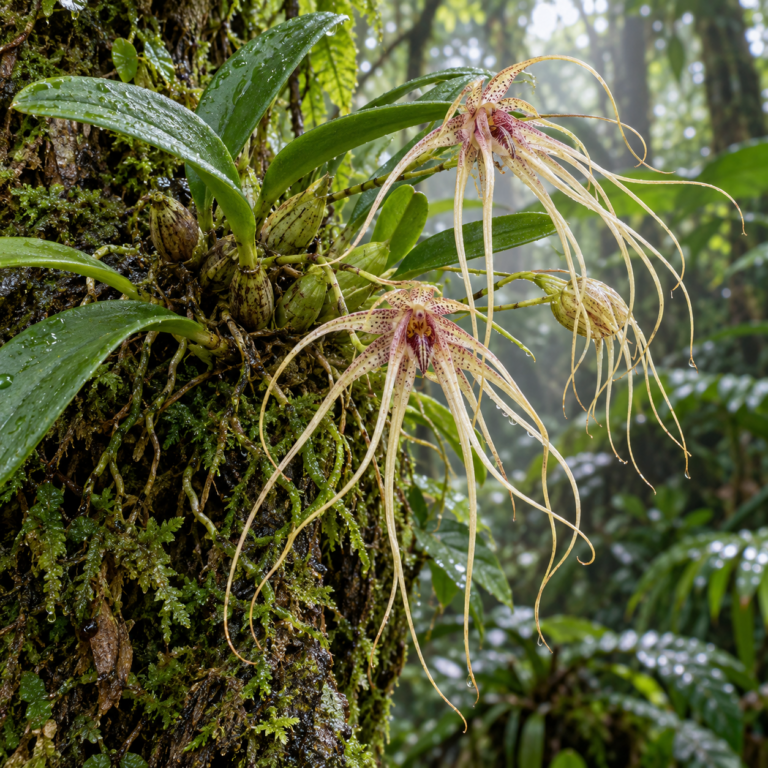
Bulbophyllum medusae als epifyt in een vochtige tropische omgeving.
Bulbophyllum medusae
AI illustration
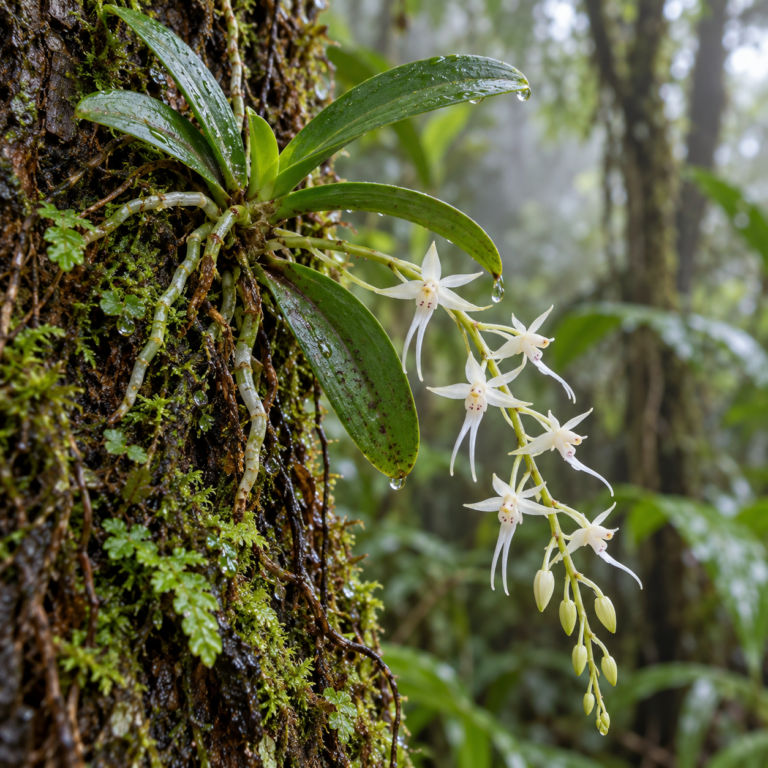
Aerangis punctata als kleine epifytische orchidee in een vochtige tropische omgeving.
Aerangis punctata
AI illustration
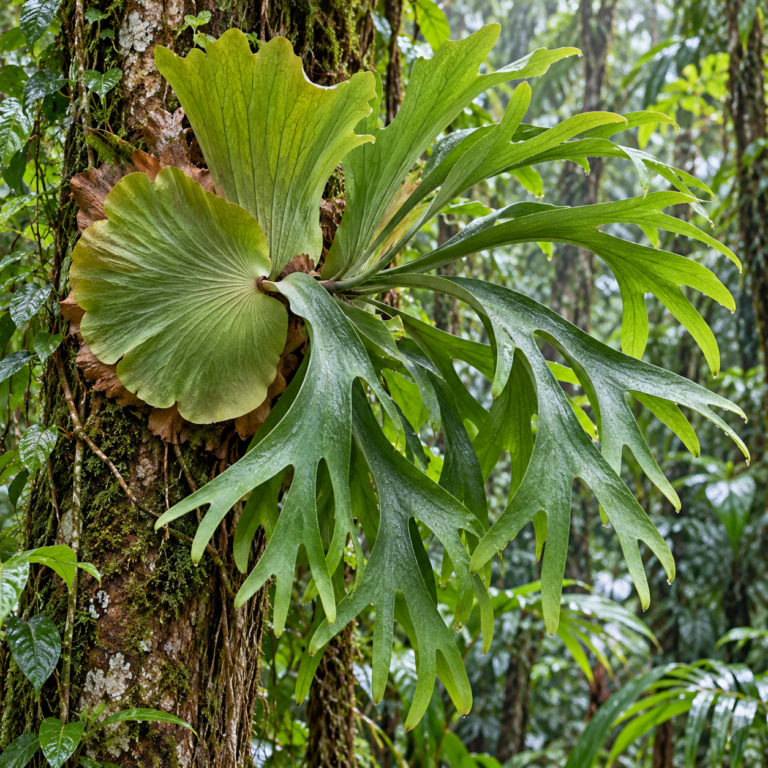
Epifytische Platycerium-hertshoornvaren op boomschors in een vochtige tropische omgeving.
Platycerium sp.
AI illustration
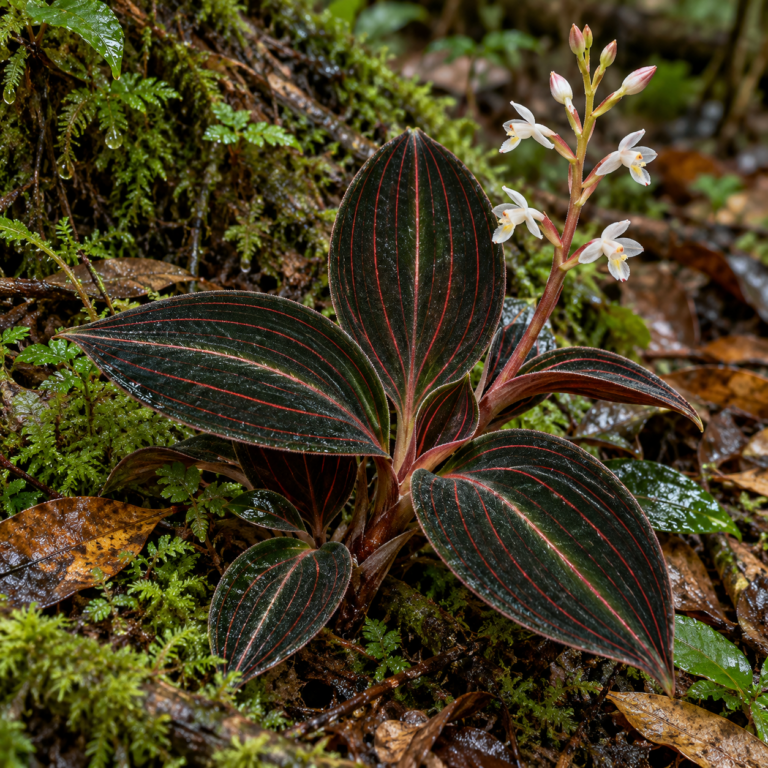
Ludisia discolor met donkere bladeren en roodachtige nerven op een vochtige bosbodem.
Ludisia discolor ‘Red Stripe’
AI illustration
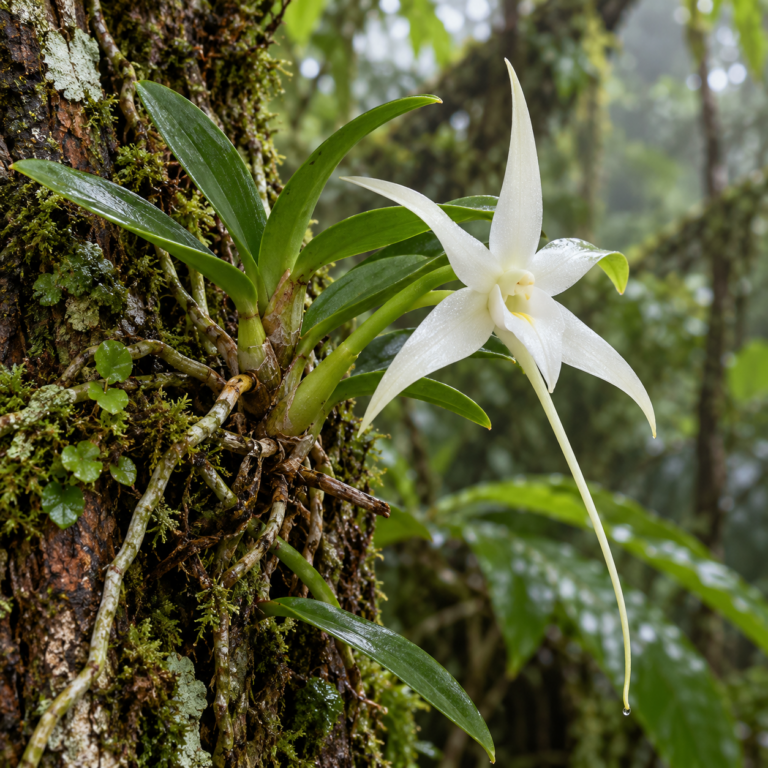
Angraecum didieri als epifytische orchidee op vochtige boomschors.
Angraecum didieri
AI illustration
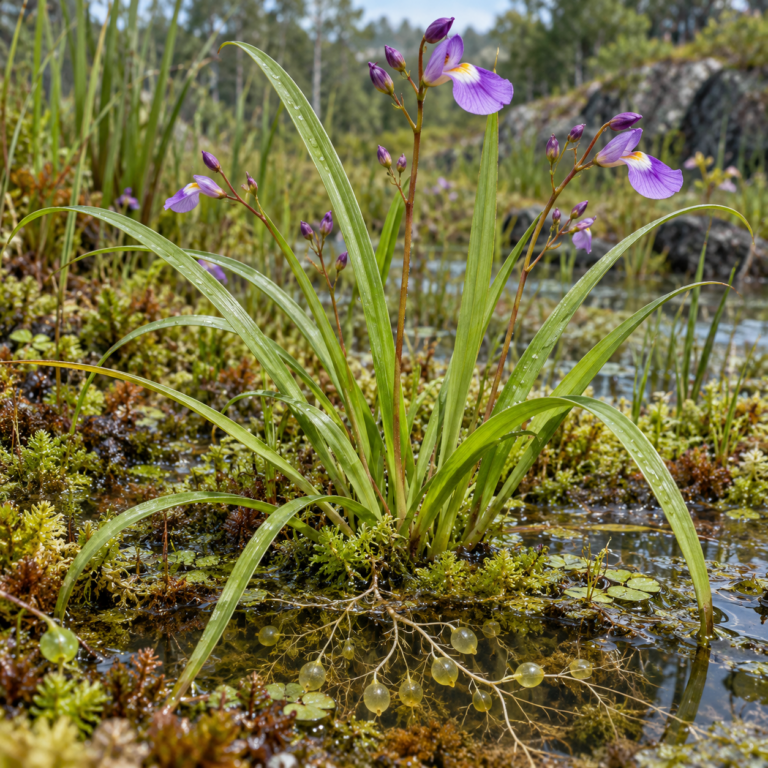
Kleine Utricularia met paarse bloemen in een zeer vochtige groeiplaats; soortniveau niet vastgesteld.
Utricularia sp.
AI illustration
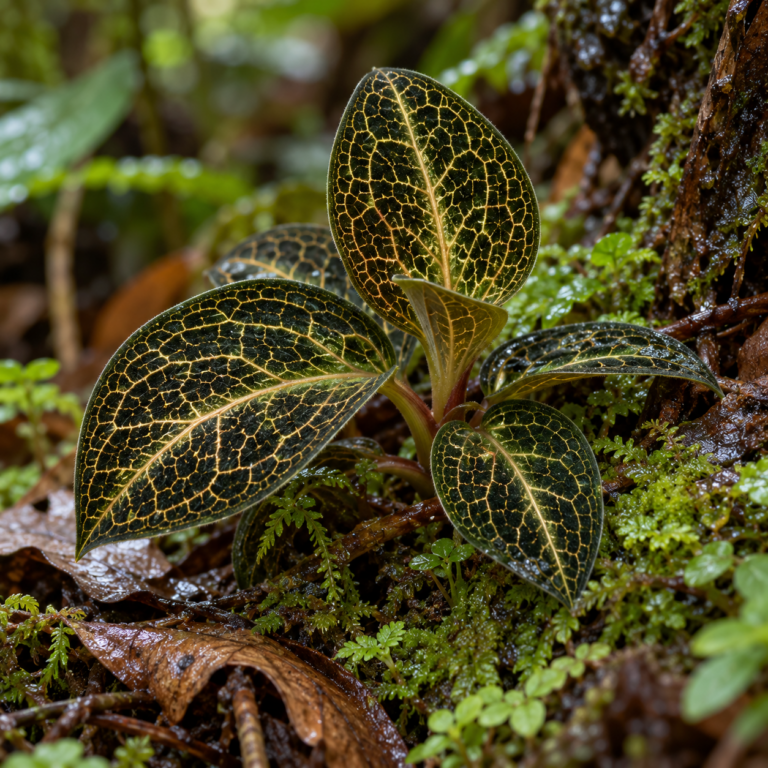
Anoectochilus roxburghii met opvallend geaderde bladeren op een vochtige bosbodem.
Anoectochilus roxburghii
AI illustration
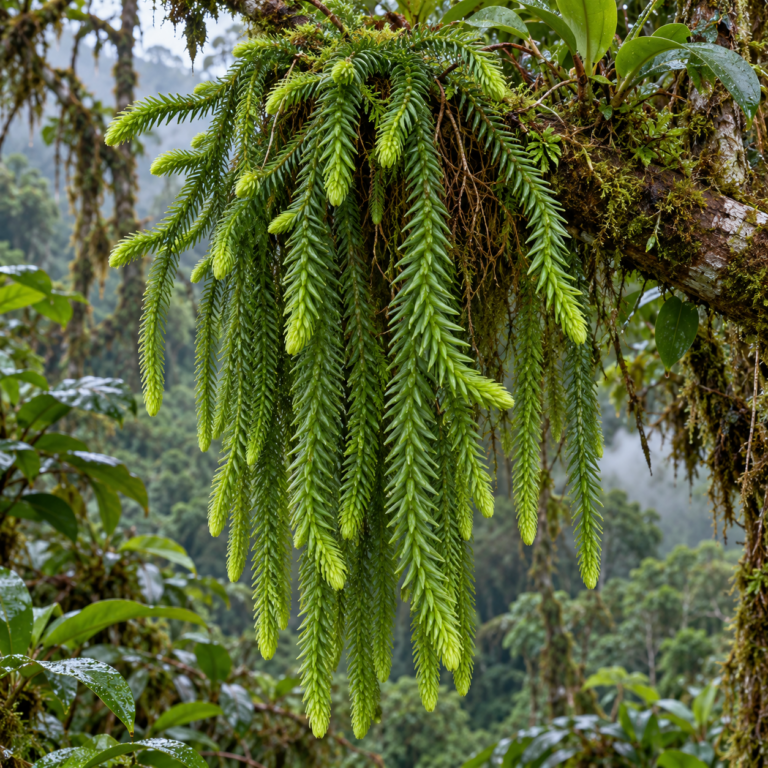
Huperzia phlegmaria als hangende epifyt op een vochtige tropische boomstam.
Huperzia phlegmaria
AI illustration
Go deeper into KA’AETÉ