
KA’AETÉ • TECHNOLOGY
VENTILATION, CONDENSATION & CLIMATE
A tropical paludarium needs moisture, but stagnant humid air can cause problems. Ventilation, temperature, relative humidity, mist and air movement therefore need to be designed as one connected climate system.
Why ventilate?
Air movement helps control condensation on the viewing glass, supports plants and prevents long-lasting stagnant zones. At the same time, ventilation must not dry the enclosure so quickly that its tropical microclimate disappears.
Images from the world of KA’AETÉ
Looking is the first step towards understanding. These images show different layers of the ecosystem — from plants and micro-life to water and predation.
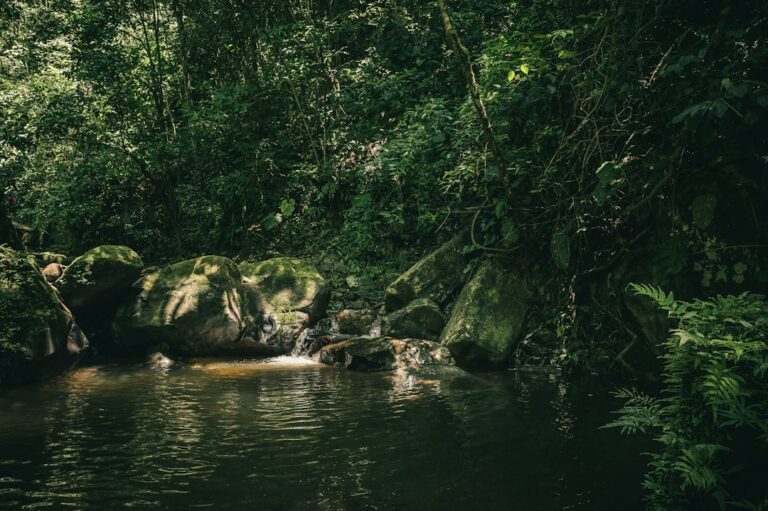
KA’AETÉ nature photo — tropical streamAuthentic nature photograph of a stream in dense green forest
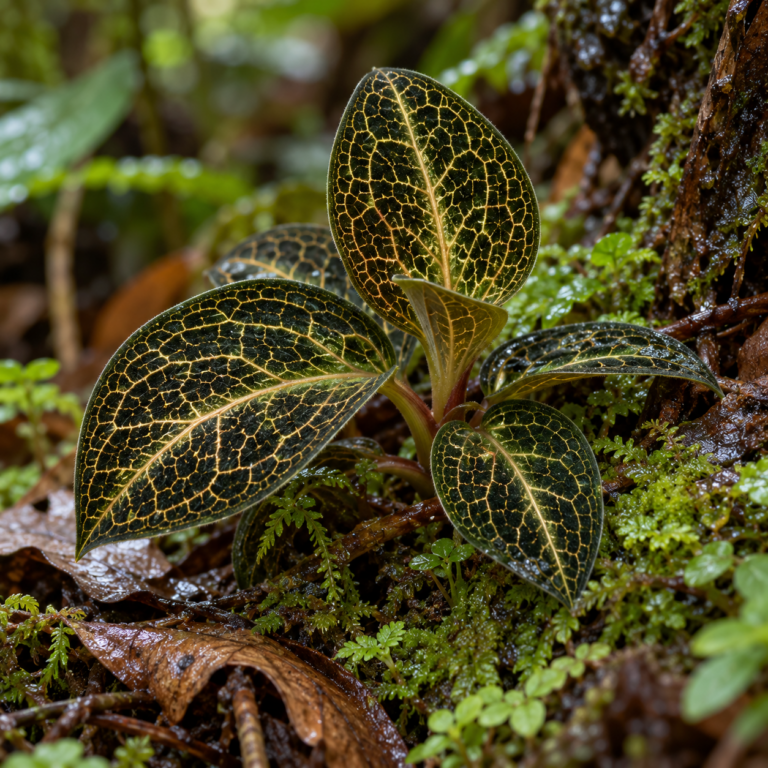
Macodes petola — jewel orchidMacodes petola with dark velvety leaves and striking golden veins on a moist forest floor.
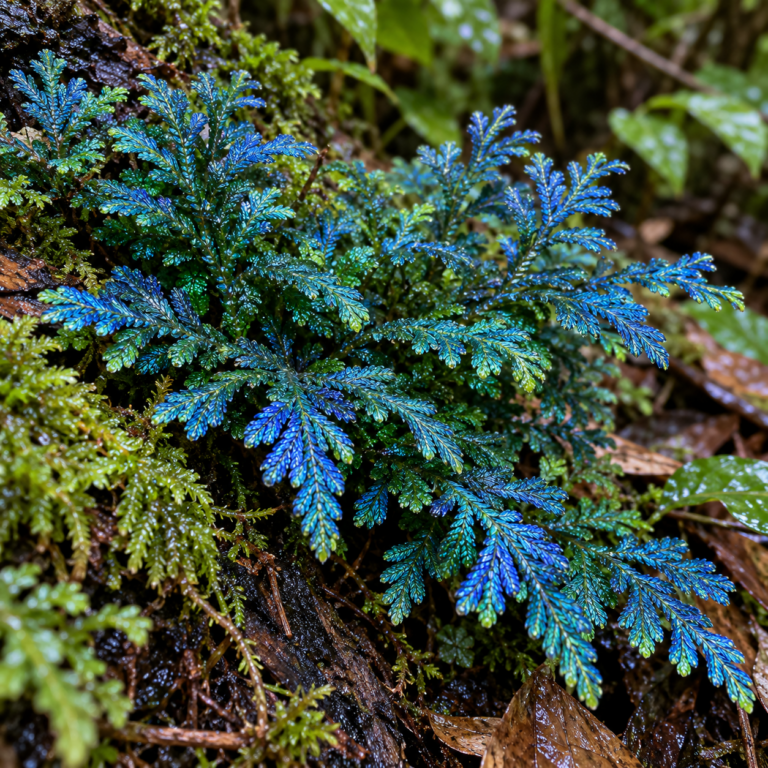
Selaginella uncinata — Peacock spikemossIllustration of Selaginella uncinata with iridescent blue-green foliage in a humid forest setting.
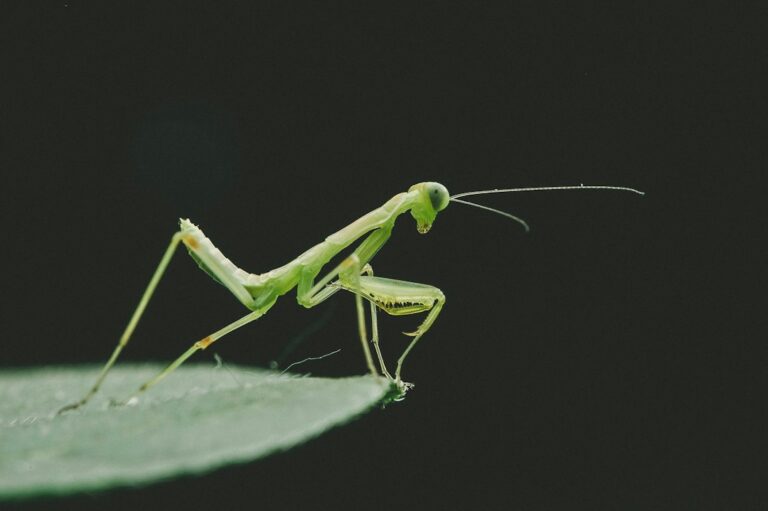
KA’AETÉ nature photo — praying mantis macroAuthentic nature photograph of a praying mantis among green leaves
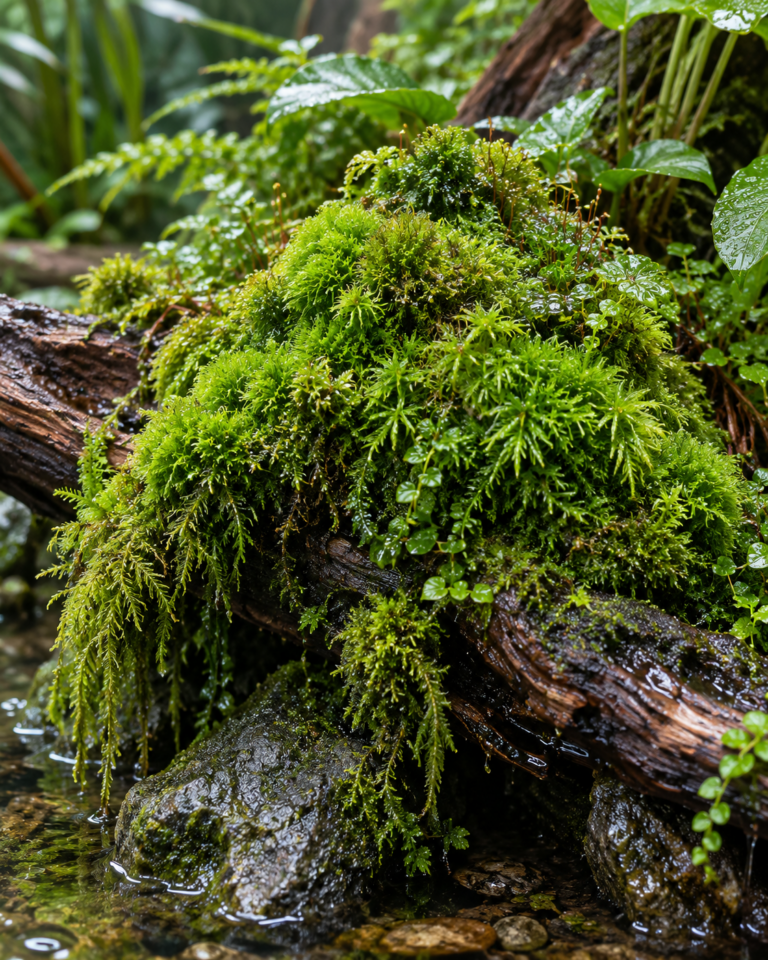
Bryophyta — tropical mossDense green moss growing on a moist tropical forest floor; exact species not identified.