
MEET THE INHABITANTS
KA’AETÉ is not filled with animals simply because they look spectacular. Each planned inhabitant has a role: grazer, decomposer, prey, predator or micro-hunter. The real story is how these roles connect.
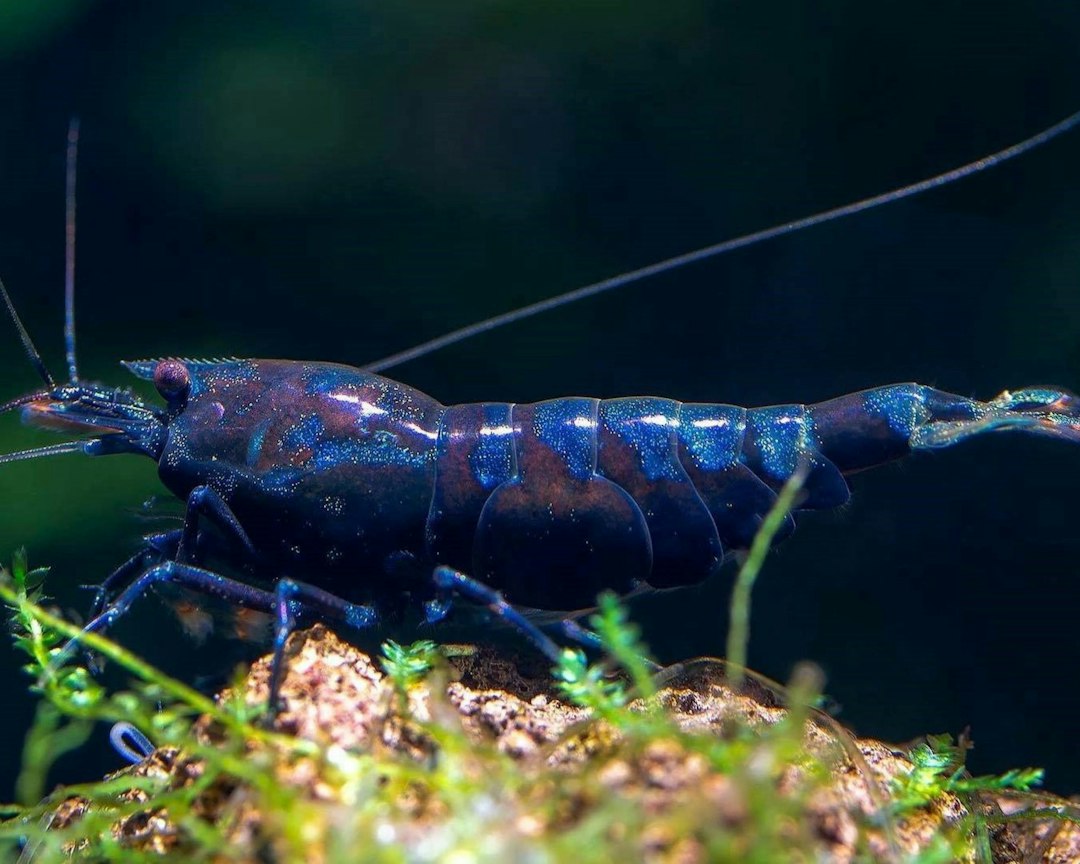
The blue grazer
Grazes biofilm and fine organic material on wet surfaces.
GRAZER • AQUATIC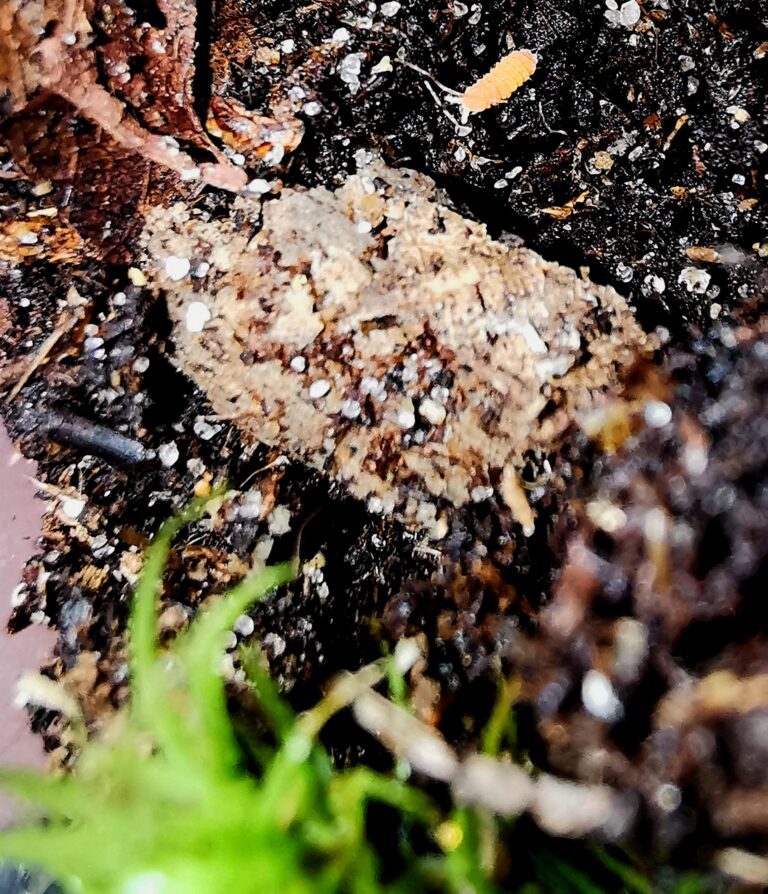
Microscopic grazers
Feed on fungi, biofilm and fine material in the litter layer.
Shown: Yuukianura aphoruroides, one of the four springtails.
FRWByMath / Wikimedia Commons · CC BY-SA 4.0
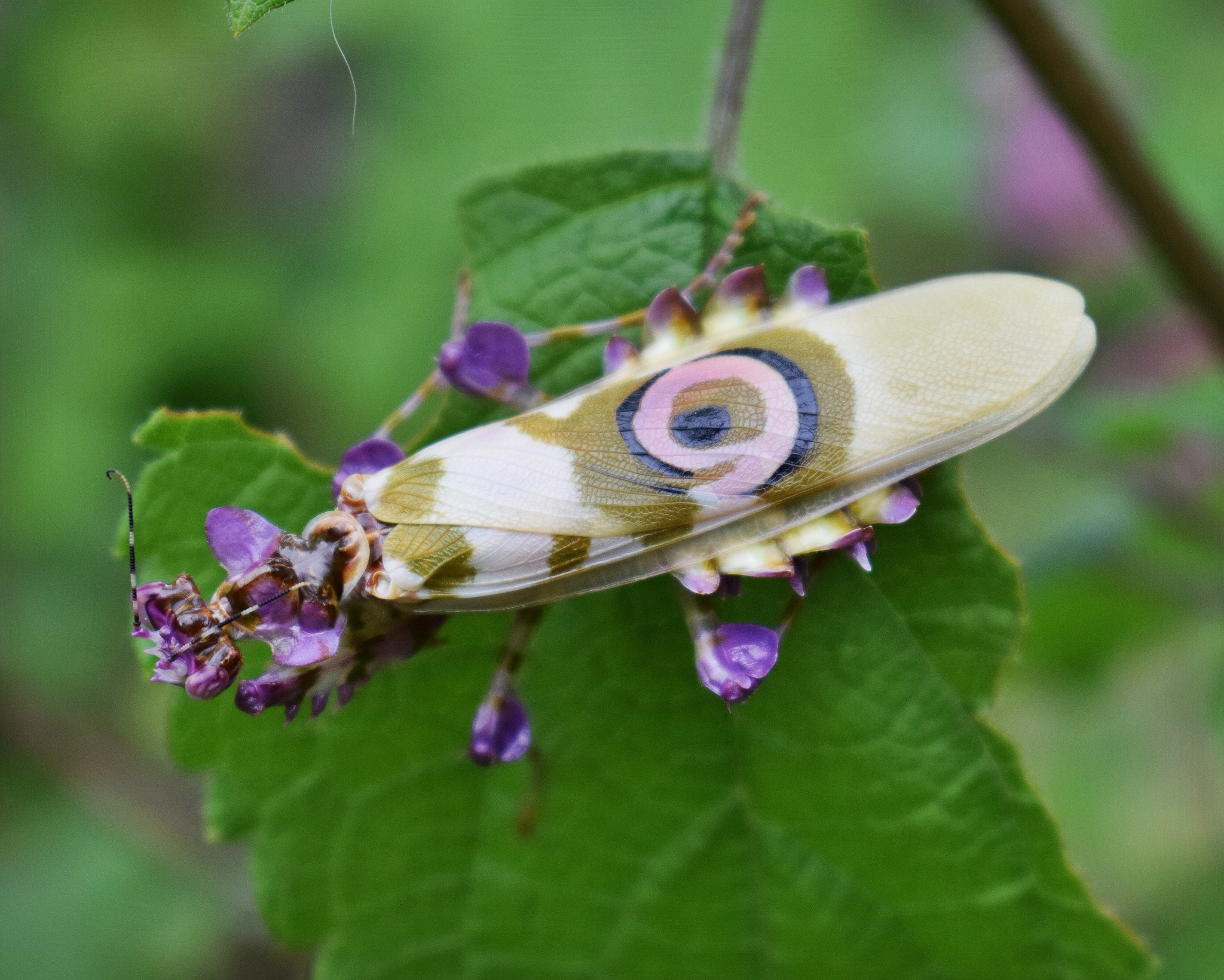
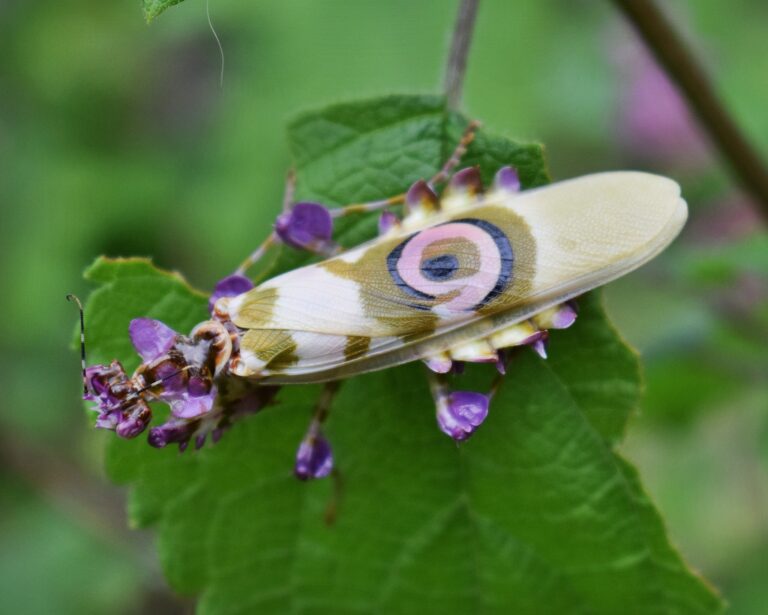
Flower mantis
A late-stage predator: camouflage, posture and ambush behaviour in one animal.
Species photograph
Wikimedia Commons · CC BY 4.0
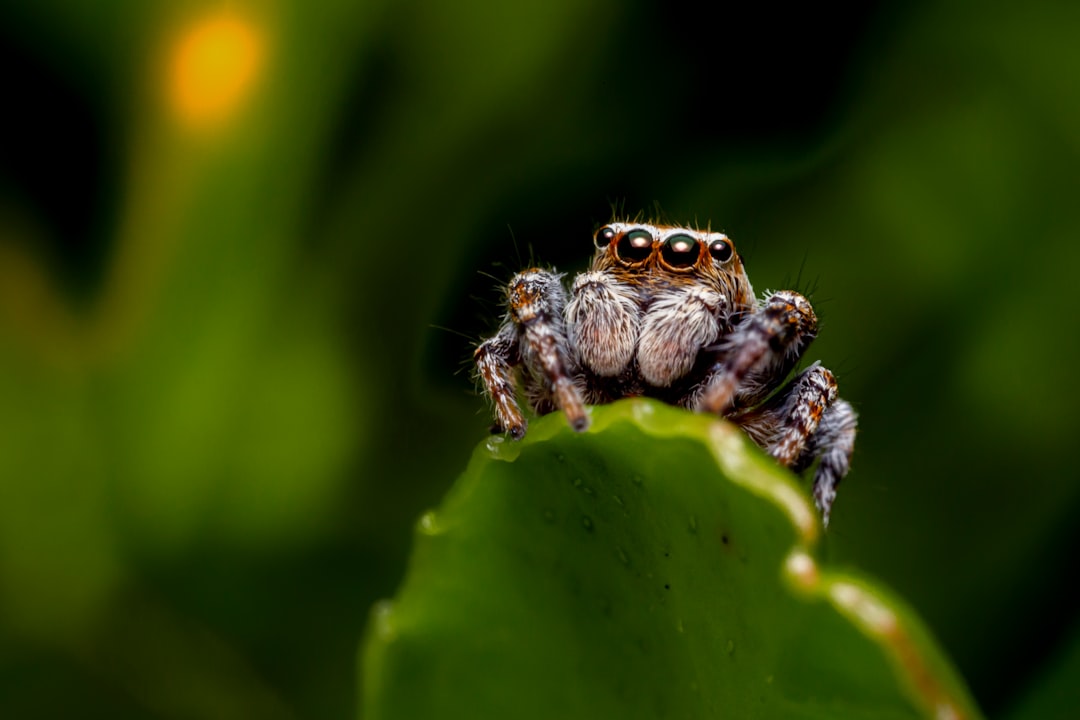
Jumping spiders
Visual hunters that stalk, assess distance and leap.
ACTIVE PREDATOR
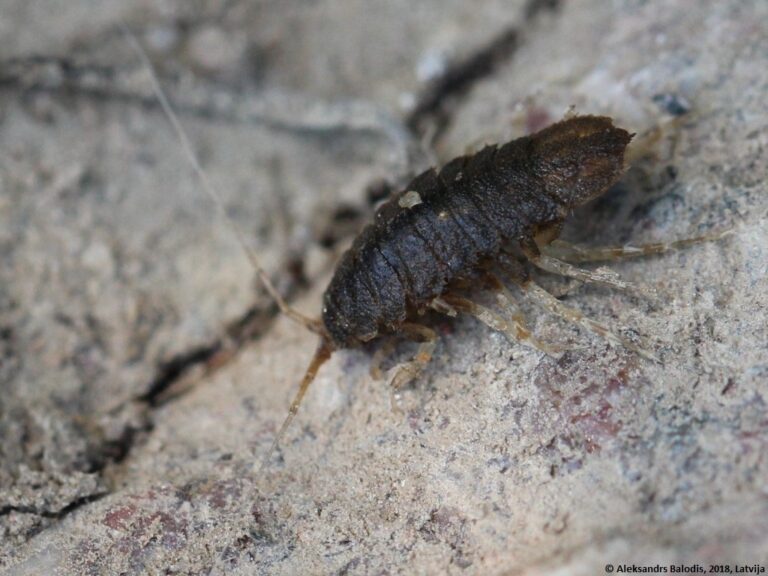
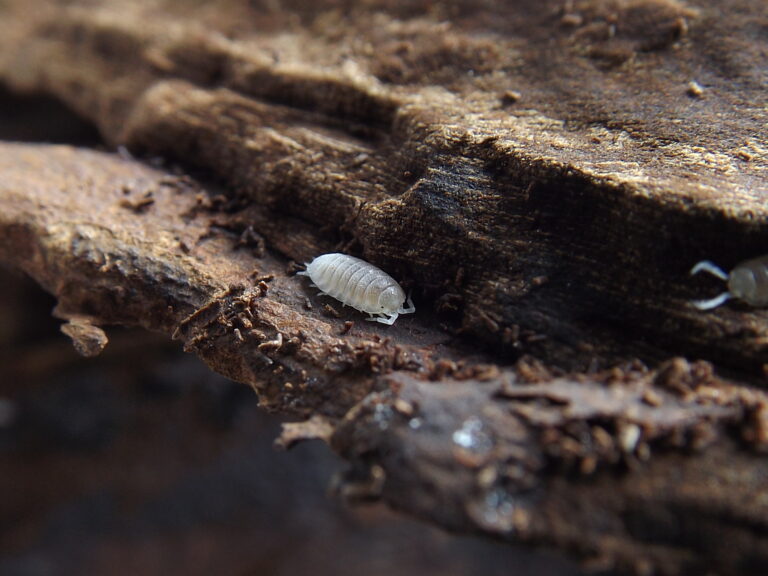
Aquatic isopod
Works through detritus in leaf litter and quiet aquatic zones.
DETRITIVORE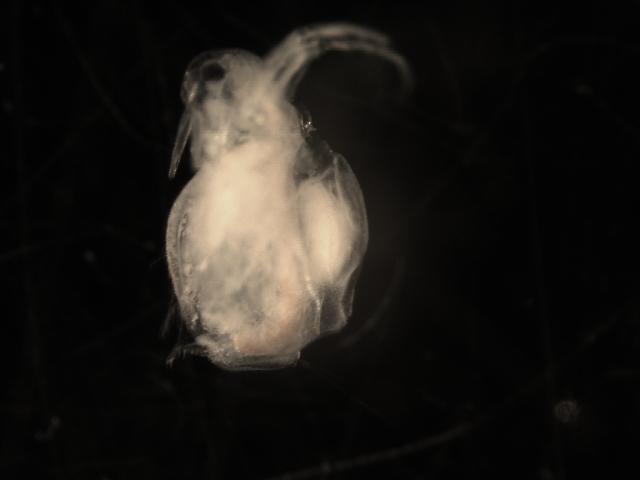
The hidden buffet
Small prey and decomposers help build the lower layers of the food web first.
Shown: Moina sp., one of the micro-prey organisms; species undetermined.
Biodiversity Institute of Ontario, Unspecified / Wikimedia Commons · CC BY 3.0
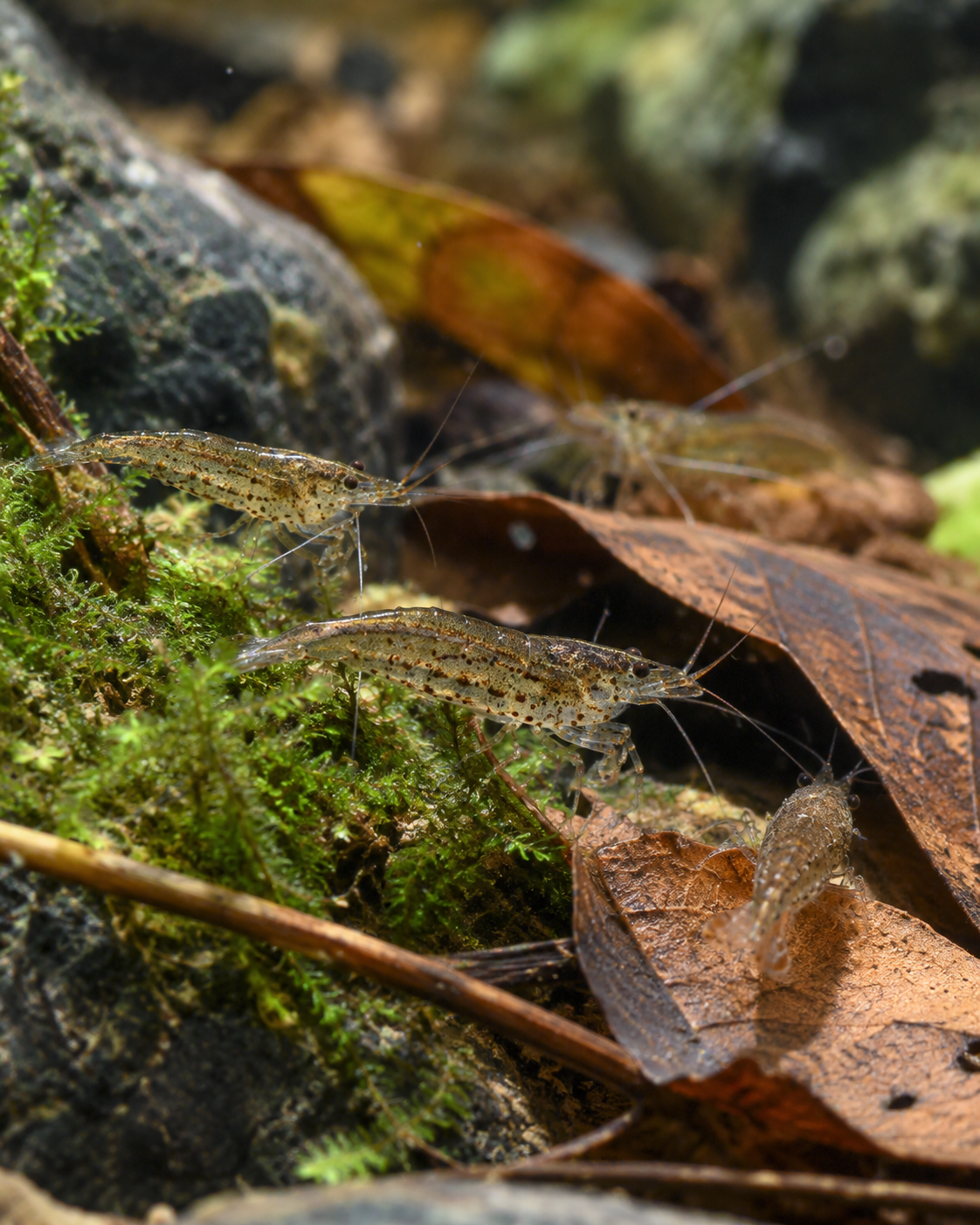
Second grazing route
Another biofilm grazer with its own ecological profile.
AI illustration — approximate appearance, not an identification photograph.
PLANNED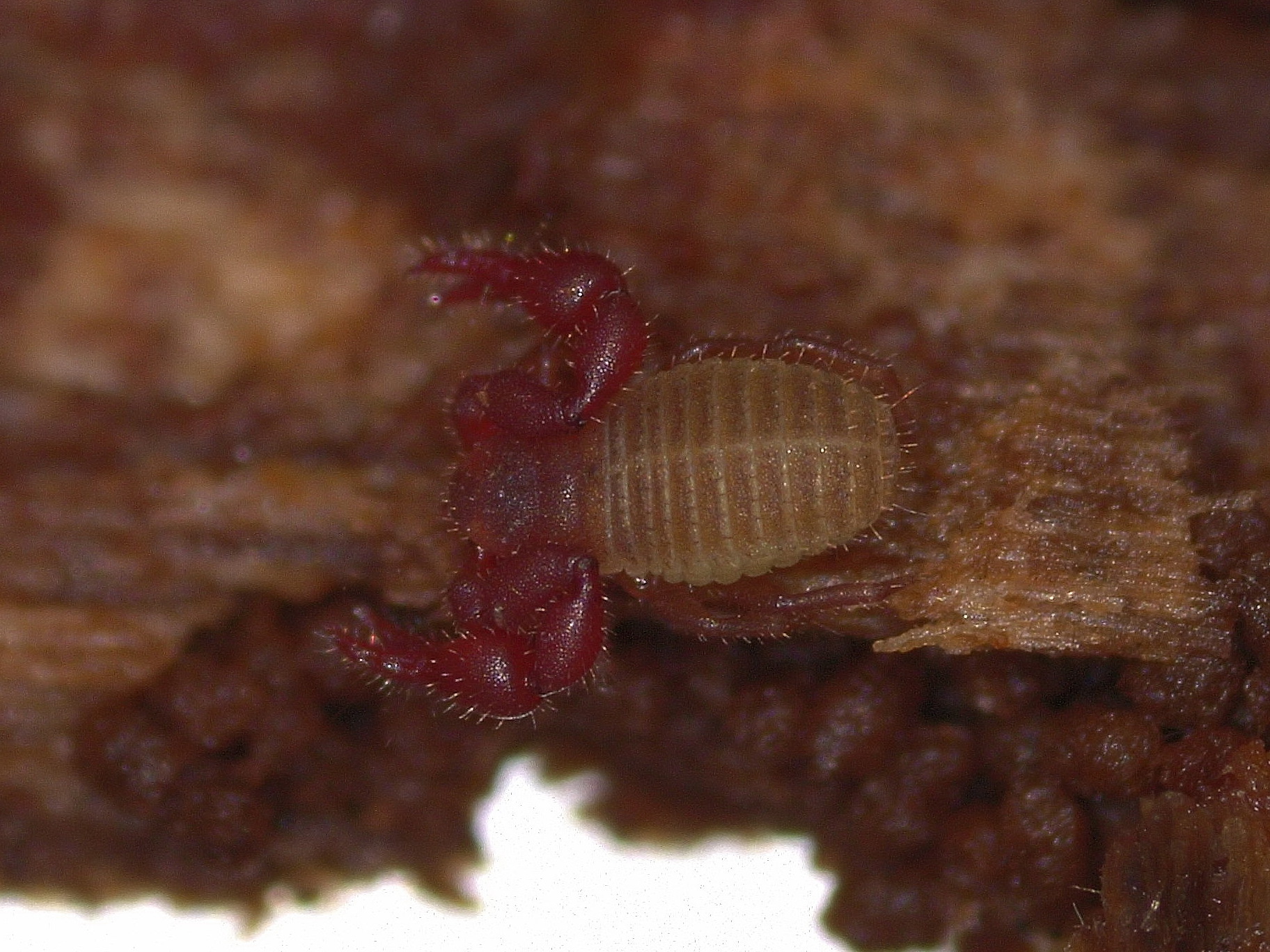
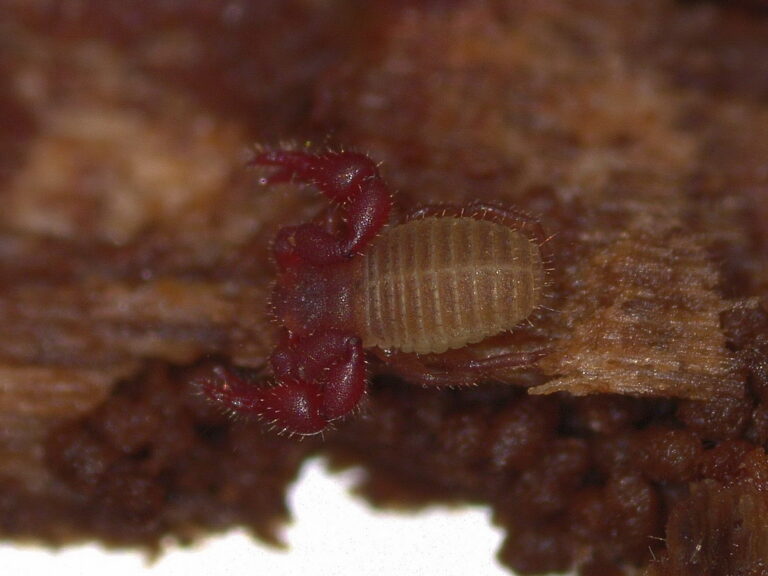
Pseudoscorpion
A predator on the millimetre scale.
Species photograph
Donald Hobern / Wikimedia Commons · CC BY 4.0
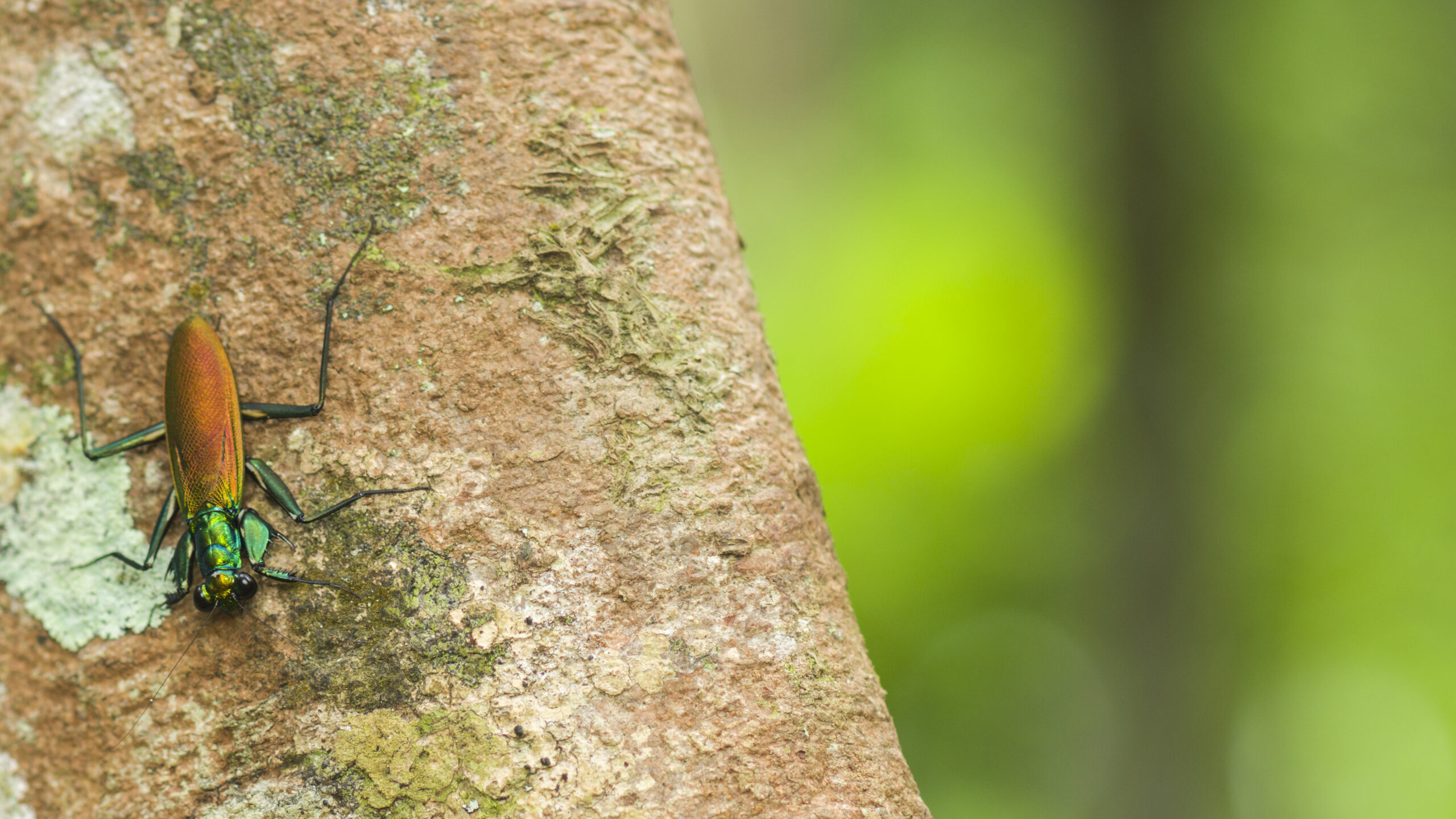
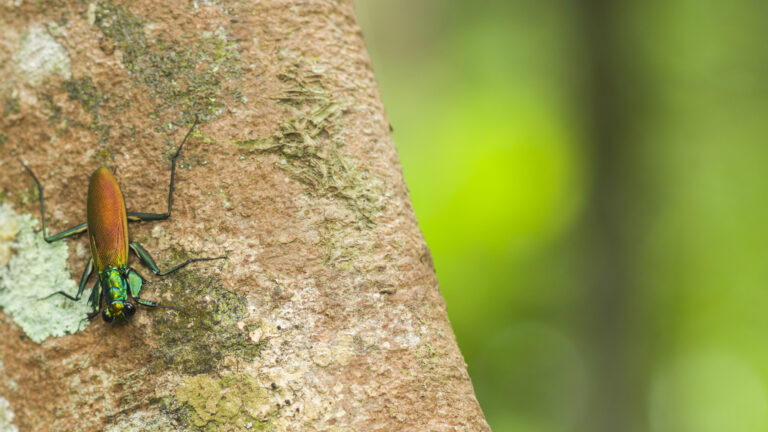
Metallic mantis
A second mantis strategy with a completely different visual profile.
Species photograph
Zleng / Wikimedia Commons · CC BY 2.0
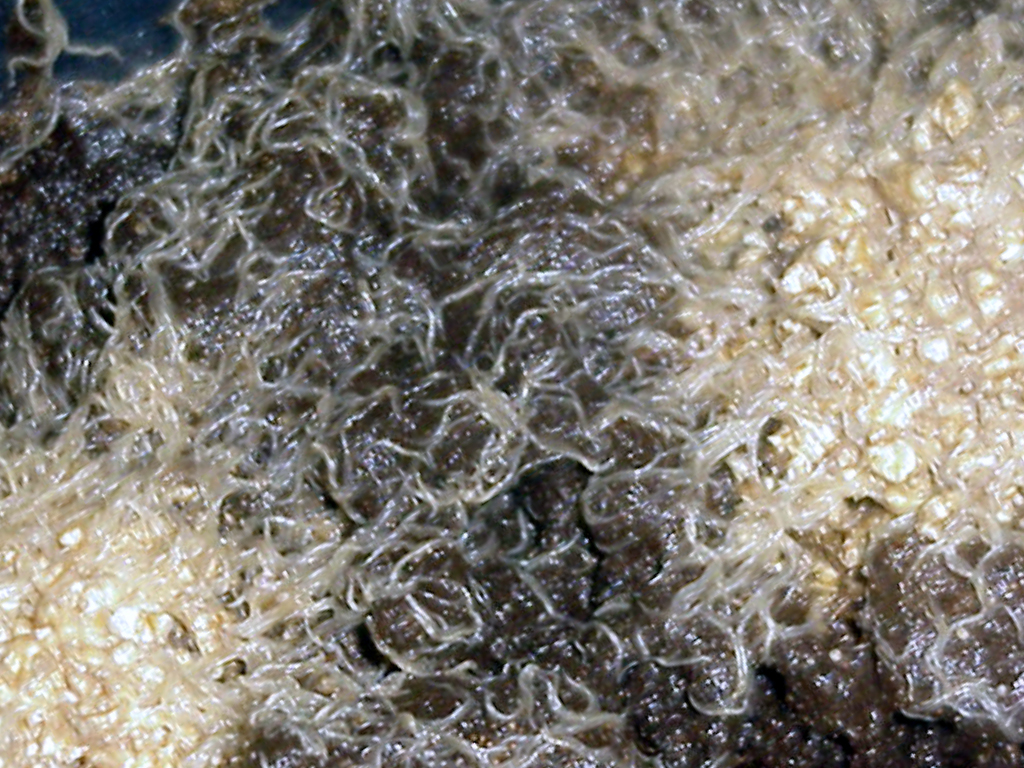
Soil worker
Lives below the surface inside the pore network of the forest floor.
Enchytraeus: genus reference, not an exact photograph of E. crypticus.
Cherus / Wikimedia Commons · CC BY-SA 3.0
Four core inhabitants that shape the system
These four belong to the current KA’AETÉ master and represent four very different ecological roles.
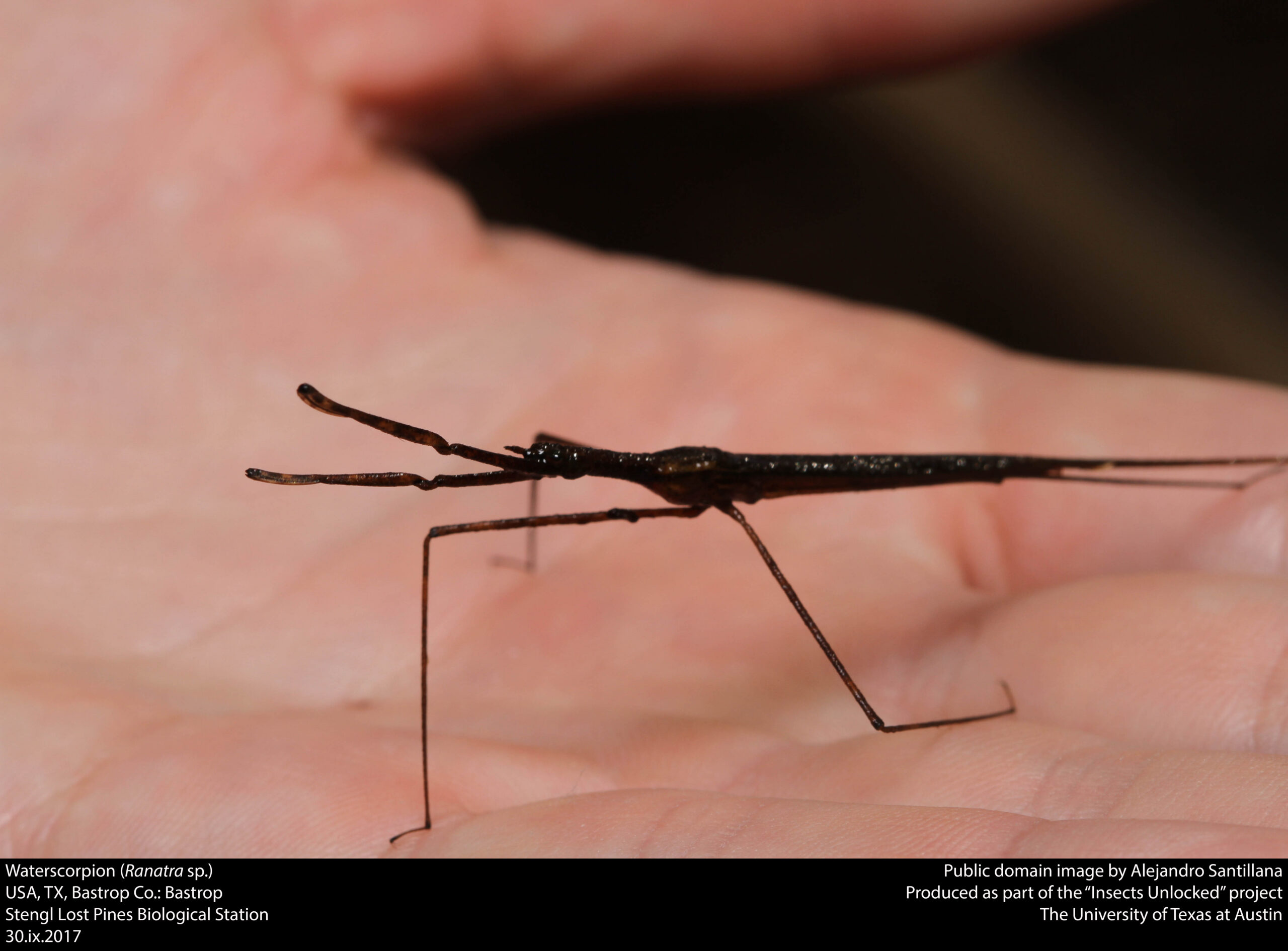
Fixed food-web species include Neocaridina davidi ‘Blue Dream’, Caridina parvidentata (Malawa), Hyalella azteca, Asellus aquaticus, Moina, Aulophorus furcatus, Dero digitata and Chironomidae. Asellus is introduced only from demonstrably legal, reliable captive-bred stock. The forest-floor line includes Coecobrya ‘Tropical White’, Yuukianura aphoruroides, Trichorhina tomentosa, Porcellionides pruinosus ‘Papaya’, Ardentiella sp. ‘Ember Bee’ as the master show isopod, Enchytraeus crypticus and Pseudoglomeris magnifica. Grindal worms remain an external feed culture only.
KA’AETÉ visual species atlas
A growing visual index of inhabitants and candidates.
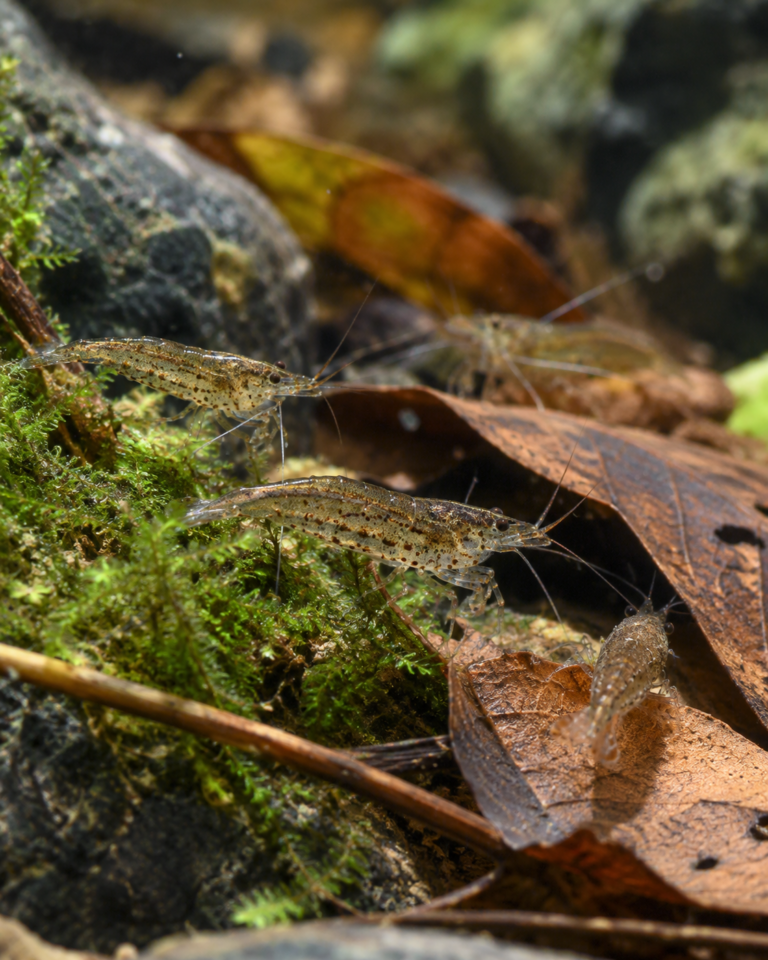
_(36746834263).jpg)
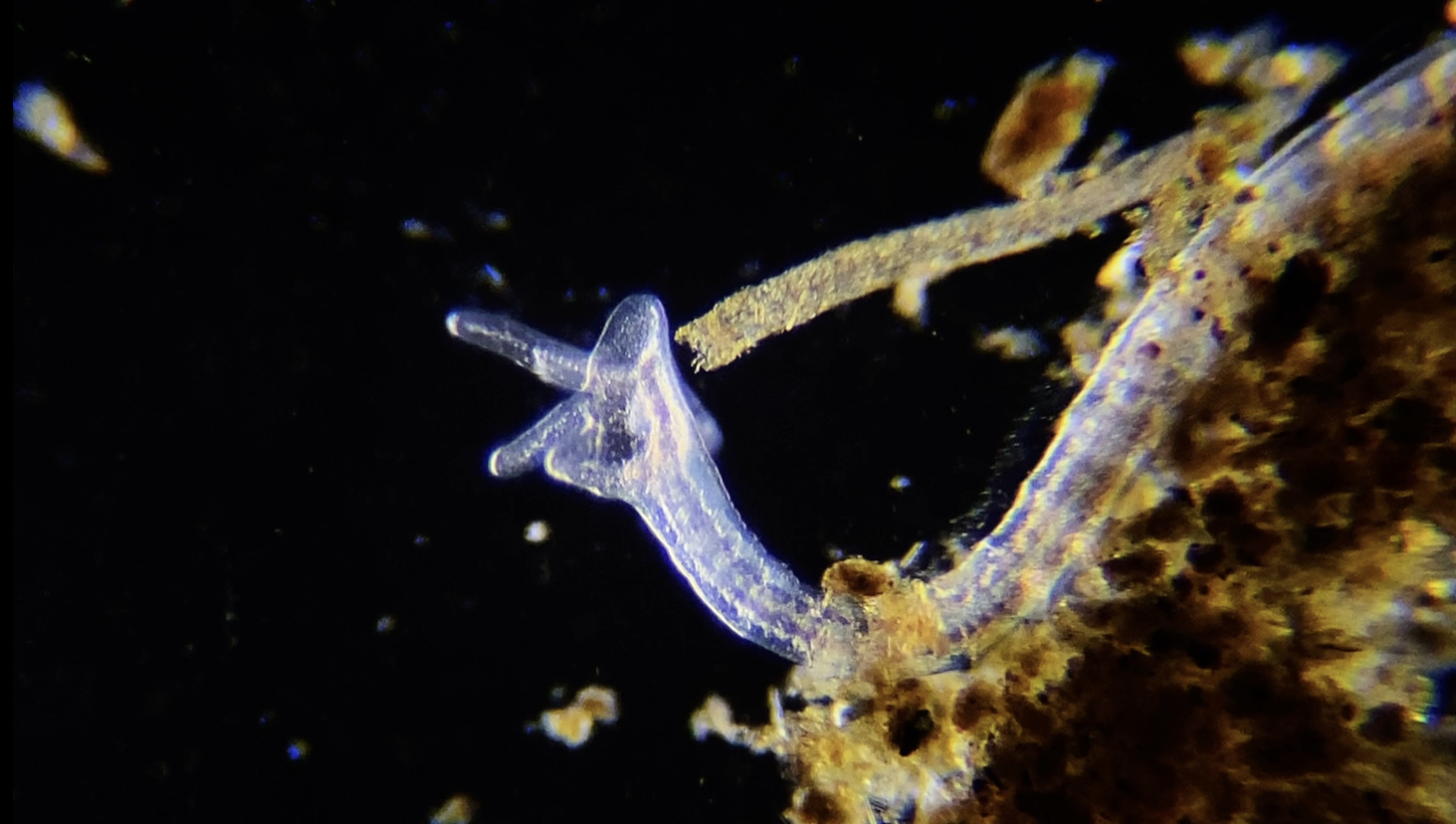
Species photograph
(c) Eli Talhouk, some rights reserved (CC BY) / Wikimedia Commons · CC BY 4.0

Genus reference · species unconfirmed
Biodiversity Institute of Ontario, Unspecified / Wikimedia Commons · CC BY 3.0

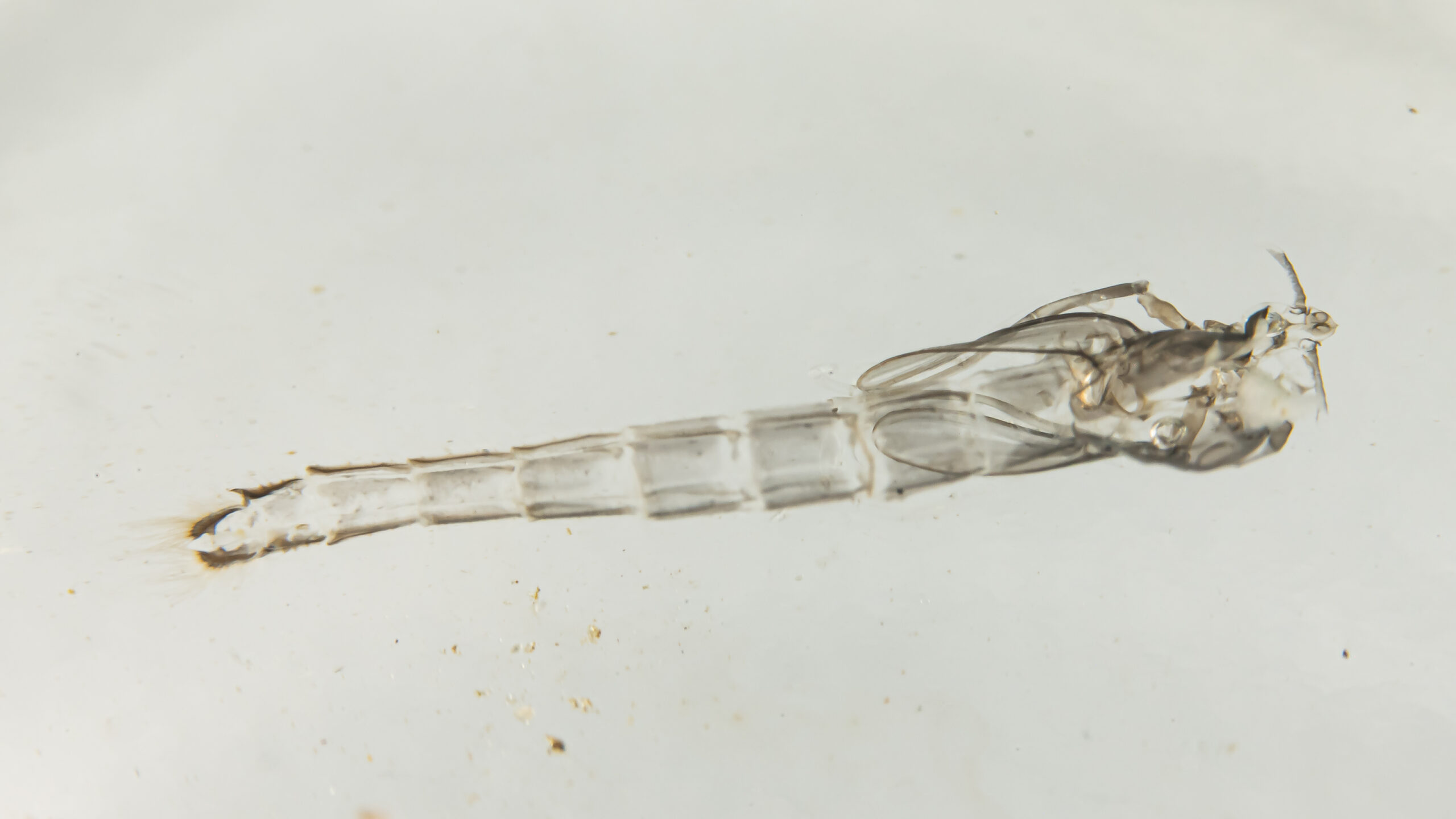
Larval photograph · family · research candidate
Pjt56 / Wikimedia Commons · CC BY 4.0

Genus reference · not E. crypticus
Cherus / Wikimedia Commons · CC BY-SA 3.0

Discover the living encyclopedia
Every species page is a window into an ecological role. These are planned inhabitants or research subjects, not animals already living in KA’AETÉ.